


What Is Air Entrainment in Concrete and Why Does It Matter for Winter Durability
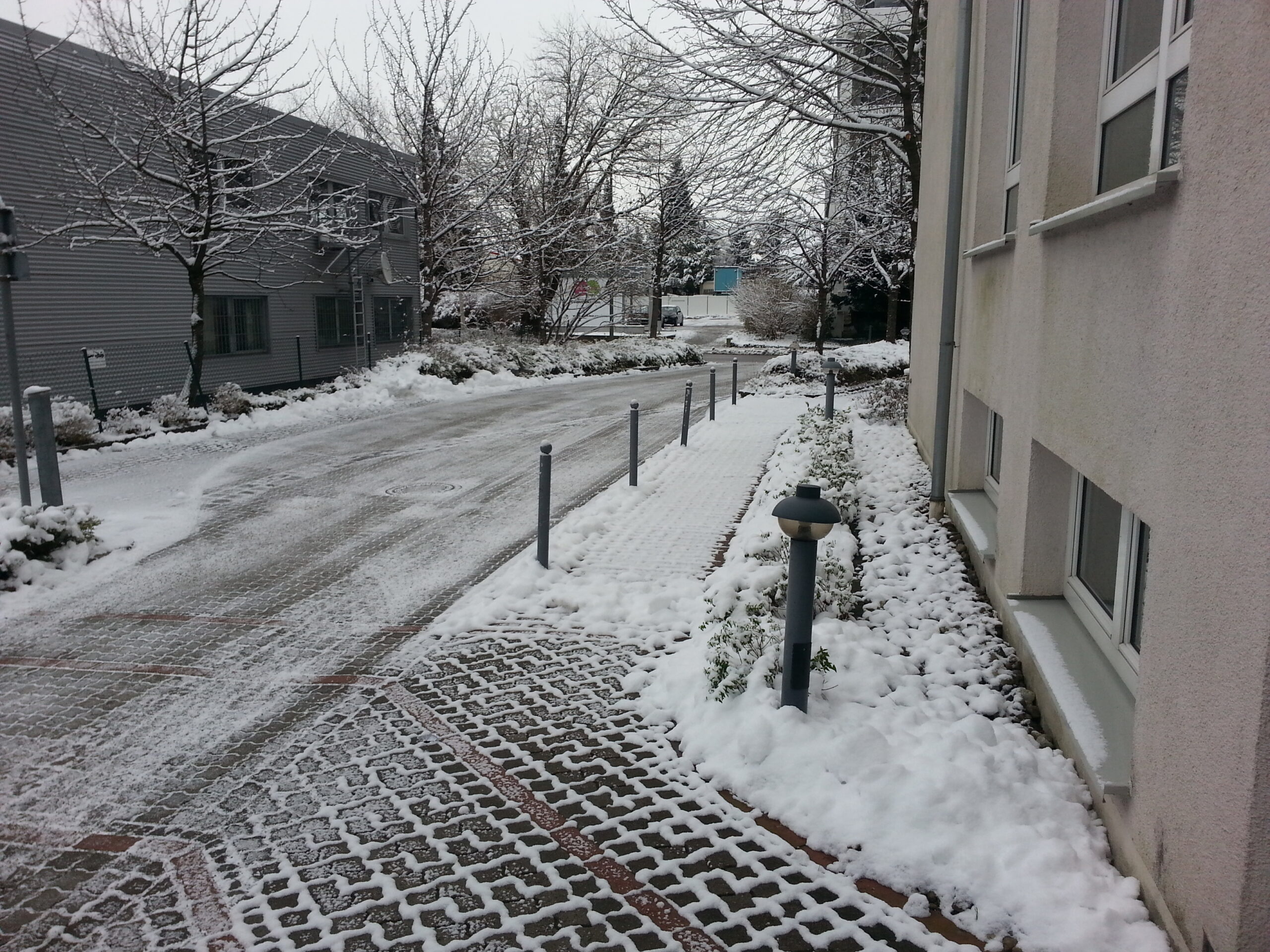
Concrete may look like a solid slab, but its internal structure is a delicate balance of components that determine its long-term strength. One of the most critical aspects for durability—especially in cold climates—is air entrainment. This feature, often overlooked by homeowners, plays a major role in preventing damage during winter’s relentless freeze-thaw cycles.
Why Air Entrainment Is Essential
Air entrainment refers to the deliberate inclusion of tiny air bubbles throughout the concrete mix. These microscopic voids act like pressure-release chambers. When water enters the concrete and freezes, it expands. Without space to move, this expansion causes cracking, scaling, and popping. But when air bubbles are present, that expanding water has somewhere to go—reducing internal pressure and helping prevent surface damage.
This process protects the concrete from surface deterioration like pitting and flaking, commonly called scaling. In areas with fluctuating winter temperatures, this is a game-changer. The more freeze-thaw cycles your concrete endures, the more stress it experiences. Without air entrainment, even well-maintained concrete is at risk of failing prematurely.
Freeze-Thaw Cycles and Concrete Failure
Water infiltration is at the root of most winter concrete damage. As temperatures rise and fall, trapped water alternates between freezing and thawing, causing expansion and contraction. This leads to surface stress, weakening the top layer of concrete. Eventually, this can result in surface popping, cracks, or flaking.
Air-entrained concrete offers a buffer. It can absorb the pressure generated by ice expansion and protect the integrity of the surface. But the effectiveness of air entrainment depends on correct installation and environmental exposure.
Why Sealing Still Matters
Even air-entrained concrete is not invincible. Over time, heavy traffic or surface wear can erode the protective top layer. That’s where concrete sealing comes in. A quality sealer acts like a plastic skin, creating a barrier that prevents water from reaching deeper layers of the concrete.
There are two ways to manage water infiltration:
- Work the concrete surface during installation to close pores.
- Apply a durable, weather-resistant sealer post-installation to protect it further.
Sealing is especially important because even air-entrained concrete can break down when exposed to too many freeze-thaw cycles, especially if ice melters are in use.
The Role of Ice Melters
Chloride-based ice melters can increase the number of freeze-thaw events by constantly melting and refreezing ice near the surface. This rapid cycling wears down the surface faster. However, chloride-free products like Safe Paw and Safe Thaw avoid this risk by minimizing temperature swings and being less chemically aggressive.
Used in combination with air-entrained and sealed concrete, these products offer safer winter traction without compromising structural longevity.
Conclusion:
Building Winter-Resilient Concrete Starts with Air Entrainment
If you’re investing in concrete for a driveway, patio, or walkway—especially in colder climates—insist on air-entrained concrete. It’s a small detail that makes a huge difference in performance. Pair it with proper sealing and chloride-free ice melt, and you’re setting your surfaces up for years of strength, safety, and reliability—no scaling, no cracking, just solid results.
FAQ's
Q1. What is air entrainment in concrete?
Air entrainment is the intentional inclusion of microscopic air bubbles in concrete to absorb pressure from freezing water and reduce cracking.
Q2. Why is air entrainment important in cold climates?
It protects concrete from freeze-thaw damage by allowing freezing water to expand safely within the concrete mass.
Q3. Does sealed concrete still need air entrainment?
Yes. Sealing helps prevent water entry, but air entrainment provides internal protection if water does get in.
Q4. Can ice melters harm air-entrained concrete?
Chloride-based melters can increase freeze-thaw cycles. Use chloride-free products like Safe Paw for safer results.
Q5. How can I tell if my concrete is air-entrained?
Ask your contractor for details before installation—air entrainment is typically included in mixes for cold climates.