


Is Safe Paw or Safe Thaw Safe to Use on Pool Decking?
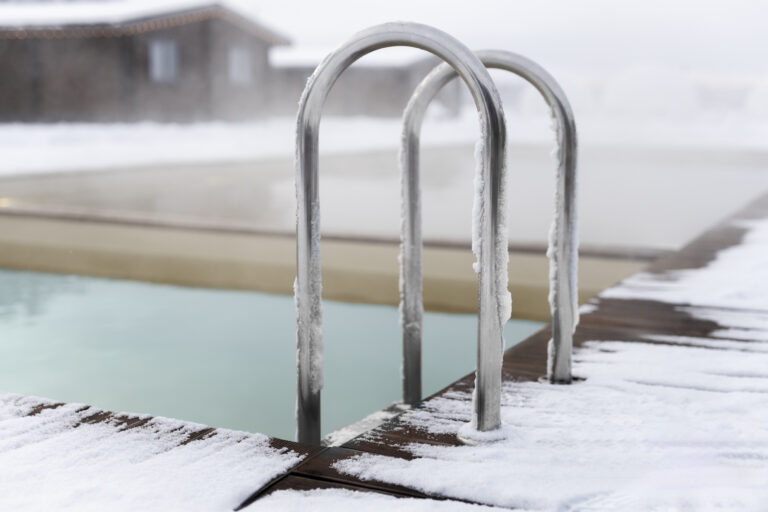
When winter hits, one often overlooked area of the home is the pool deck. While most swimming pools are closed for the season, the surrounding surfaces—especially concrete, painted concrete, or paver-style decking—can still collect snow and ice, creating slip hazards. That’s why many pool owners ask: Can I use Safe Paw or Safe Thaw on pool decking without damaging the surface or affecting the pool environment?
The answer is yes—Safe Paw and Safe Thaw are safe for use on pool decking, including painted or sealed concrete and interlocking pavers, as long as the deck is properly maintained.
What Makes Pool Decks Vulnerable in Winter?
Pool decking is typically made from concrete, stamped concrete, or stone pavers, many of which are painted or sealed to withstand foot traffic, UV exposure, and chemical spills from pool maintenance. These surfaces can be surprisingly delicate in the off-season, particularly when subjected to freeze-thaw cycles or exposure to corrosive substances.
Unlike regular driveways or walkways, pool decks are already exposed to harsh chemicals such as chlorine, muriatic acid, or algaecides. These pool chemicals can degrade the surface over time, especially when spills accumulate. As a result, pool decks are usually sealed to prevent this damage—and the same sealant helps protect against winter conditions.
Why Safe Paw and Safe Thaw Are Ideal for Pool Decking
Traditional ice melts that contain calcium chloride, magnesium chloride, or rock salt can create surface pitting, discoloration, and flaking on painted or sealed surfaces. These products can also be corrosive, causing lasting damage to decorative finishes, stamped patterns, and joint materials.
Safe Paw and Safe Thaw, however, are formulated without chlorides and without salts. Their non-corrosive and non-toxic composition makes them:
- Safe for painted or sealed concrete
- Compatible with interlocking pavers
- Non-damaging to pool deck coatings or sealants
- Safe around areas exposed to prior chemical treatment
Because these products don’t react with sealers or concrete finishes, they are especially effective on high-maintenance areas like pool decks where aesthetics matter and durability is key.
Best Practices for Using Ice Melt Around Pools
To ensure optimal performance and long-term surface protection:
- Always apply ice melt to clean, dry decking before a snow event to prevent bonding.
- Use only the recommended amount—avoid over-application near joints or seams.
- Sweep away residue once snow and ice melt to avoid tracking the product into the pool zone when reopened.
Reapply sealers annually or as needed to keep surfaces protected from both summer chemicals and winter melt runoff.
Conclusion: Safe Paw and Safe Thaw Provide Poolside Peace of Mind
When it comes to maintaining a safe, slip-free pool deck in winter, you need an ice melt that won’t compromise your surface or react with residual pool chemicals. Safe Paw and Safe Thaw offer that protection. They melt ice efficiently, remain non-corrosive on painted or sealed surfaces, and pose no threat to the environment around your pool—making them the perfect winter companion for poolside areas.
Q1: Can I use Safe Paw directly on painted pool decking?
Yes. Safe Paw is safe for painted or sealed concrete and won’t degrade the finish.
Q2: Is Safe Thaw safe around pool chemicals?
Yes. It is non-reactive and won’t interfere with pool treatments or cause staining.
Q3: Will Safe Paw damage stamped or decorative concrete around the pool?
No. It is non-corrosive and designed to be gentle on aesthetic surfaces.
Q4: Should I reseal my pool deck before winter?
Yes. Sealing helps protect against both chemical spills and freeze-thaw stress.
Q5: Can I use Safe Thaw on paver-style pool decks?
Absolutely. It won’t erode joints or cause surface instability.