



As winter approaches, homeowners with vegetable gardens often worry about how ice melt products might impact the soil and surrounding plants. The last thing any gardener wants is t

If you’ve recently purchased a pet-safe deicer like Safe Paw or Safe Thaw and you’re preparing to apply it to your concrete driveway or walkway, there’s one small—but impor
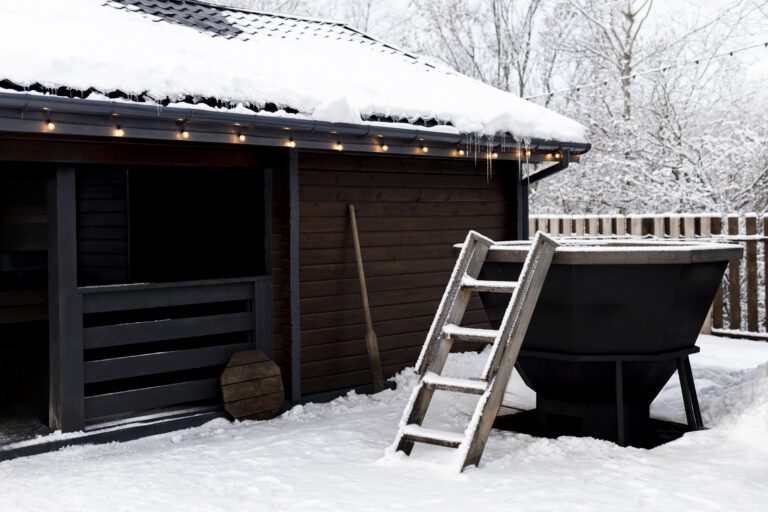
When winter rolls in and ice begins to build up on your composite decking or metal roof, safety becomes a top concern. But so does preservation. Using the wrong ice melt can cause

When a product label says “safe for lawns,” it’s easy to assume nothing can go wrong. But lawns—unlike pets—are living ecosystems, and like any green space, they have the

The superior dissolving performance of Safe Paw and Safe Thaw stems from their chloride-free, eco-balanced formulations. Traditional deicers rely on harsh salts that dissolve rapid

When it comes to ice melt, one size doesn’t fit all. While Safe Paw is the trusted name for homes and light use, Safe Thaw was engineered for a completely different battlefieldâ€
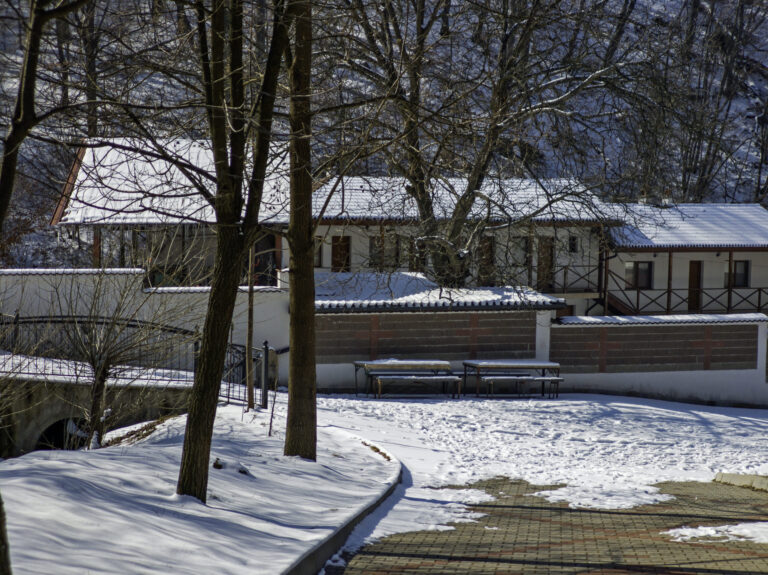
Dark spots on concrete can be puzzling, especially when you’re using chloride-free, colorless deicers like Safe Paw or Safe Thaw. So where do those stains come from if not the pr

When concrete damage appears after winter, it’s tempting to point fingers—especially at the deicer used. But if your contractor says the concrete was well-maintained and yet th
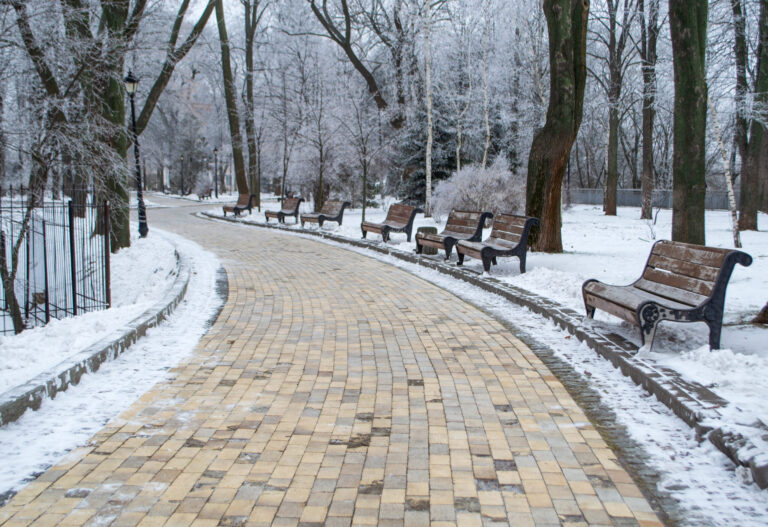
When winter hits, homeowners reach for deicers to keep steps, patios, and walkways safe. But what happens when those walkways are made of stone and mortar? A frequent concern is wh

Broom-finished concrete is a popular choice for outdoor surfaces like driveways, walkways, and patios because of its textured, slip-resistant surface. However, that texture raises