



When it comes to winter protection, homeowners who regularly seal their concrete surfaces are often the most proactive. But a common question remains—if you diligently apply a se

Scoring concrete—adding grooves or texture to prevent slipping—is a common safety measure, especially for stairs and walkways. But while this rough surface may enhance grip dur

Over time, all concrete begins to change—and not for the better. Age plays a major role in how well a concrete surface can stand up to winter’s most damaging cycle: freeze-thaw

Concrete may seem indestructible, but like anything exposed to the elements, it has a lifespan. When it comes to exterior concrete structures like stairs, the general expectation i
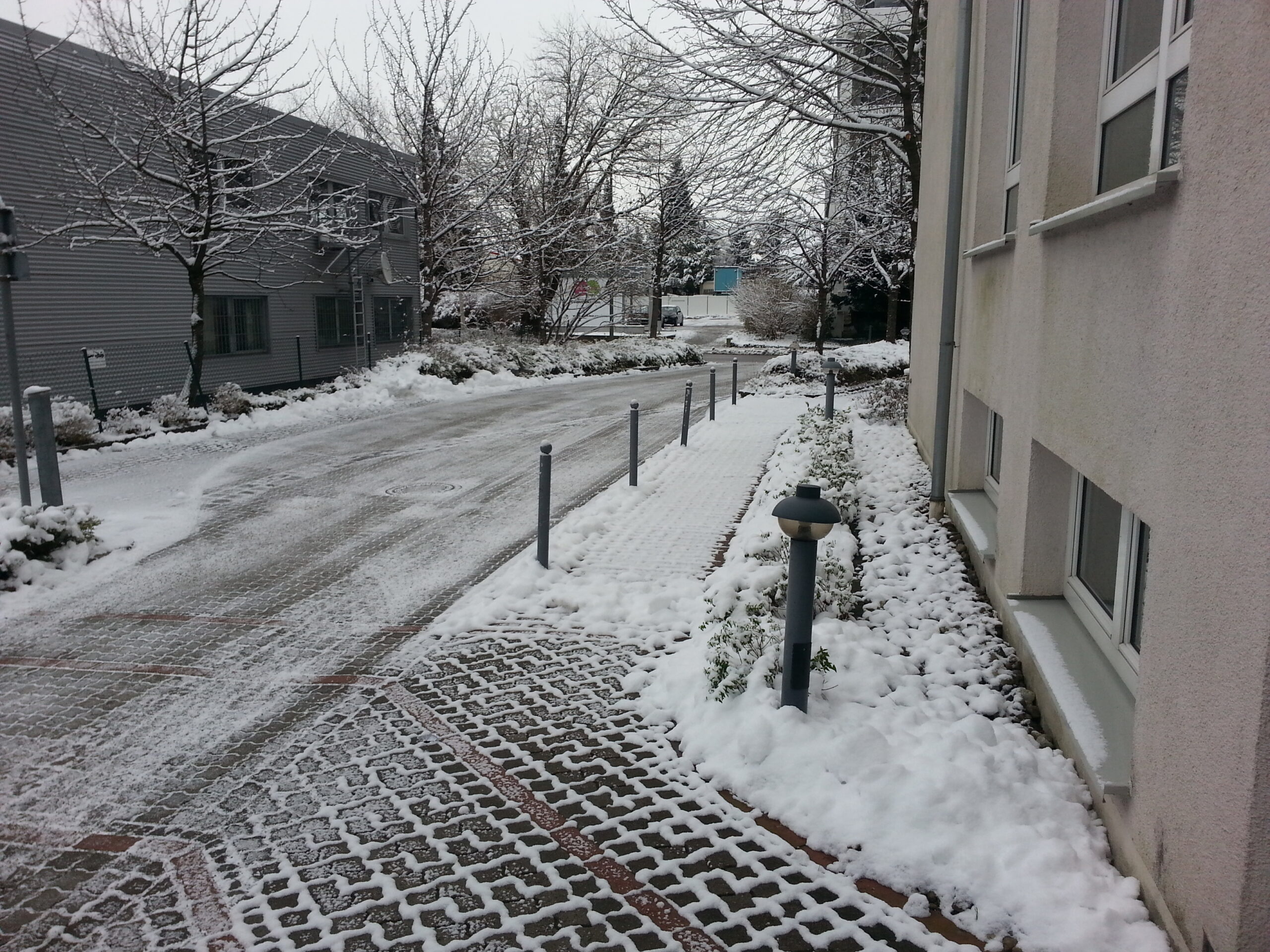
Concrete may look like a solid slab, but its internal structure is a delicate balance of components that determine its long-term strength. One of the most critical aspects for dura

If you’ve recently purchased a pet-safe deicer like Safe Paw or Safe Thaw and you’re preparing to apply it to your concrete driveway or walkway, there’s one small—but impor
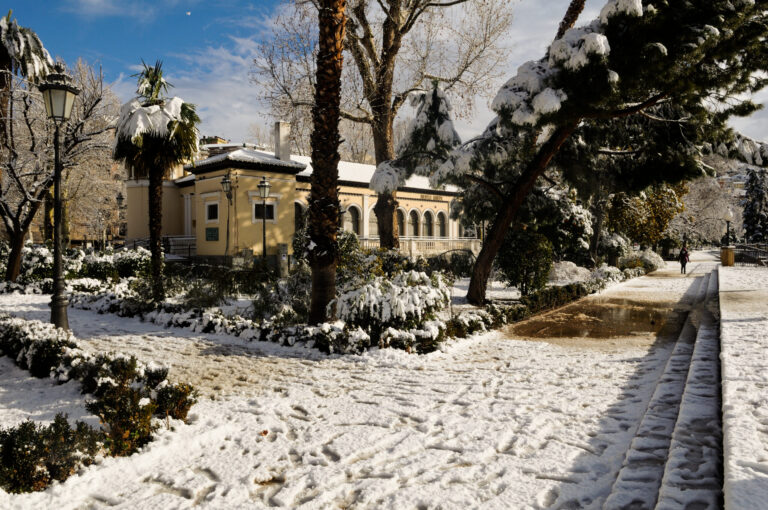
When a product label says “safe for lawns,” it’s easy to assume nothing can go wrong. But lawns—unlike pets—are living ecosystems, and like any green space, they have the

When it comes to ice melt, one size doesn’t fit all. While Safe Paw is the trusted name for homes and light use, Safe Thaw was engineered for a completely different battlefieldâ€
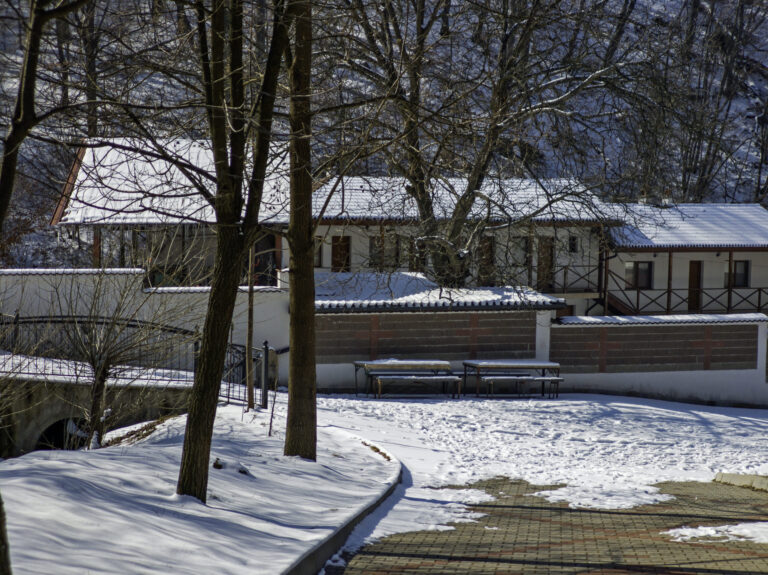
Dark spots on concrete can be puzzling, especially when you’re using chloride-free, colorless deicers like Safe Paw or Safe Thaw. So where do those stains come from if not the pr

Concrete endures a lot—especially in regions where winter freeze-thaw cycles are routine. Over time, these conditions can lead to surface issues like pitting, popping, or scaling