



Concrete endures a lot—especially in regions where winter freeze-thaw cycles are routine. Over time, these conditions can lead to surface issues like pitting, popping, or scaling

When concrete damage appears after winter, it’s tempting to point fingers—especially at the deicer used. But if your contractor says the concrete was well-maintained and yet th

When concrete starts showing signs of wear—such as scaling, pitting, or surface flaking—it’s natural to look for something to blame. Often, ice melters are the first suspect.
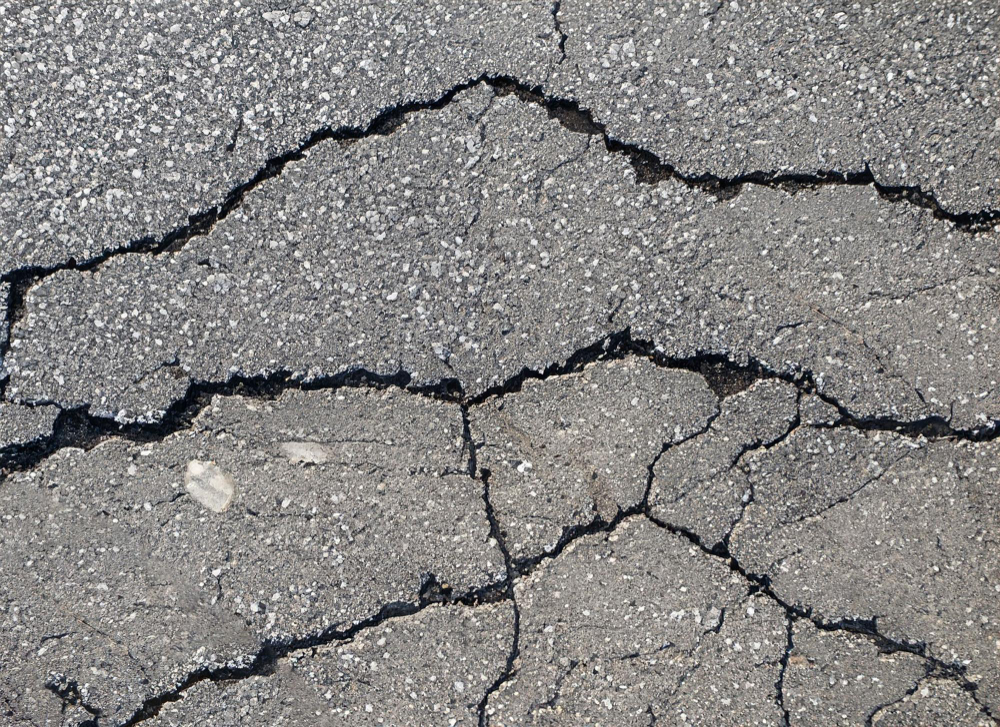
Scoring or texturing concrete steps is often recommended to reduce the risk of slipping, especially in icy or wet conditions. It’s a practical safety measure, but it raises an im

When your concrete begins to show signs of popping, scaling, or surface-level deterioration, it’s easy to panic and assume total replacement is your only option. But here’s the
Why Sealing Concrete Is So Critical Safe Paw and Safe Thaw: What Makes Them Surface-Friendly? Preventing Winter Surface Damage: Best Practices Conclusion: Surface Damage Isn’t fr