


Understanding Scored Concrete: Safety and Durability in Freeze-Thaw Conditions
Scoring or texturing concrete steps is often recommended to reduce the risk of slipping, especially in icy or wet conditions. It’s a practical safety measure, but it raises an important question: Does scoring affect the durability of concrete in winter weather, particularly when using deicing products like Safe Paw or Safe Thaw? The short answer is yes—it can make a difference, depending on how the concrete is made and maintained.
How Scoring Interacts with Freeze-Thaw Cycles
Scoring changes the surface profile of concrete, removing the smooth “skin” layer that typically forms when concrete is finished. This surface skin provides a natural level of protection against moisture intrusion. Once that skin is removed, as it is during scoring, the exposed concrete becomes more vulnerable to the elements—particularly water and ice.
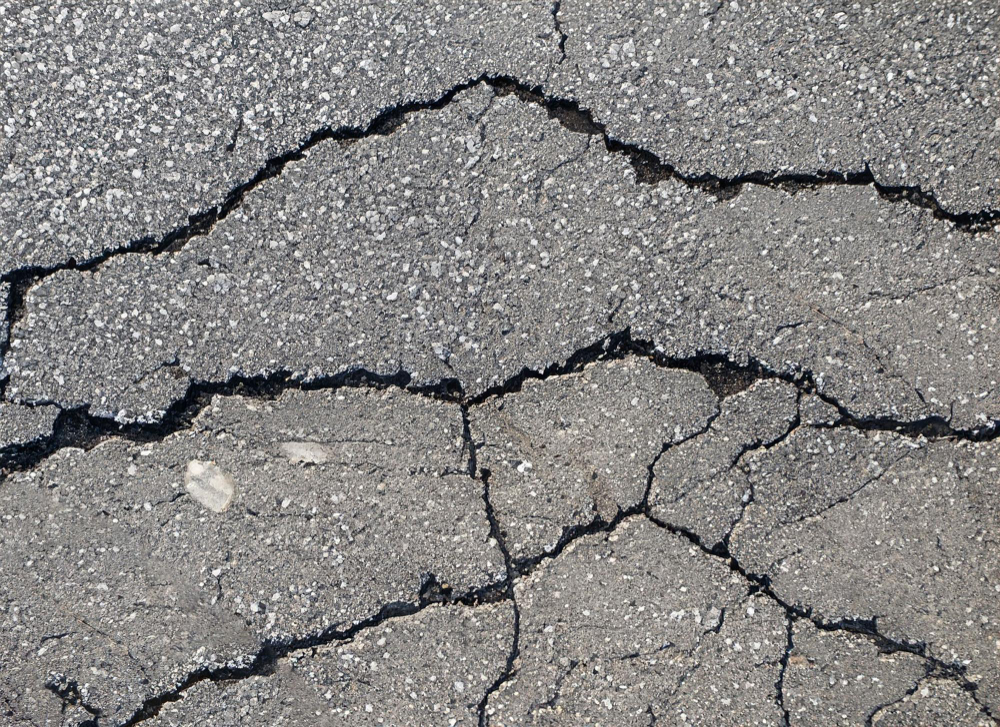
Without that outer barrier, moisture can enter more easily. During freeze-thaw cycles, that trapped water expands as it freezes, potentially leading to spalling or cracking. This is especially concerning for pre-fabricated or molded steps that may not have the same air entrainment or durability features as poured concrete. Air entrainment—tiny air bubbles intentionally mixed into concrete—helps buffer against freeze-thaw damage by giving expanding water space to move. If scoring exposes concrete that lacks this protection, damage becomes more likely over time.
Are Deicers Still Safe for Scored Concrete?
Chloride-based deicers are known to worsen concrete degradation, particularly when applied to surfaces already vulnerable due to scoring. That’s why it’s crucial to use chloride-free, non-corrosive options like Safe Paw or Safe Thaw. These products are specifically designed not to chemically attack the concrete. However, even the safest deicer can’t fully protect a surface that is improperly constructed or already compromised.
In scored or pre-formed concrete without sufficient air entrainment or curing, even the gentlest deicer won’t be a silver bullet. That’s why preventative maintenance—including proper sealing and thoughtful product selection—becomes even more critical when working with textured or scored surfaces.
Best Practices for Scored Concrete Care
To maintain the durability of scored or textured concrete in winter:
- Ensure proper sealing before the start of freezing temperatures.
- Reapply sealant annually, especially in high-traffic areas.
- Use deicers that are free of chlorides and nitrates to minimize surface wear.
- Sweep away accumulated product to avoid build-up.
- Check for signs of spalling or hairline cracks early to resurface before damage worsens.
These actions help ensure that scoring improves safety without sacrificing the long-term performance of your concrete steps.
Conclusion: Scored Concrete Requires Smarter Winter Care
Scoring concrete may make steps safer underfoot, but it also removes a layer of natural protection. Without that skin and potentially lacking air entrainment, these surfaces are more susceptible to winter damage. However, with regular sealing, proper installation, and use of non-corrosive deicers like Safe Paw or Safe Thaw, you can reduce that risk dramatically. Ultimately, managing moisture and freeze-thaw exposure is key to ensuring both safety and longevity—especially on scored or molded surfaces.
FAQ
Does scoring concrete steps make them more prone to damage?
Yes, scoring removes the protective surface skin, making the concrete more vulnerable to moisture and freeze-thaw damage.
Q2. Can I still use Safe Paw or Safe Thaw on scored concrete?
Yes, both products are safe to use, but the surface must be properly sealed to avoid moisture intrusion.
Q3. Why does scored concrete need sealing?
Sealing protects the exposed surface from water absorption, reducing the risk of freeze-thaw deterioration.
Q4. How often should I reseal scored concrete?
Ideally, once a year—especially before the onset of winter—to maintain surface protection.
Q5. What causes scored concrete to crack or scale in winter?
- Moisture entering exposed pores and freezing causes expansion, which leads to cracks or scaling over time.