



When it comes to winter protection, homeowners who regularly seal their concrete surfaces are often the most proactive. But a common question remains—if you diligently apply a se

Concrete is known for its durability—but like everything else, it ages. And with age comes vulnerability. Over time, even the strongest concrete begins to lose its ability to res

Dark spots on concrete can be puzzling, especially when you’re using chloride-free, colorless deicers like Safe Paw or Safe Thaw. So where do those stains come from if not the pr

Concrete endures a lot—especially in regions where winter freeze-thaw cycles are routine. Over time, these conditions can lead to surface issues like pitting, popping, or scaling

When concrete damage appears after winter, it’s tempting to point fingers—especially at the deicer used. But if your contractor says the concrete was well-maintained and yet th

Broom-finished concrete is a popular choice for outdoor surfaces like driveways, walkways, and patios because of its textured, slip-resistant surface. However, that texture raises
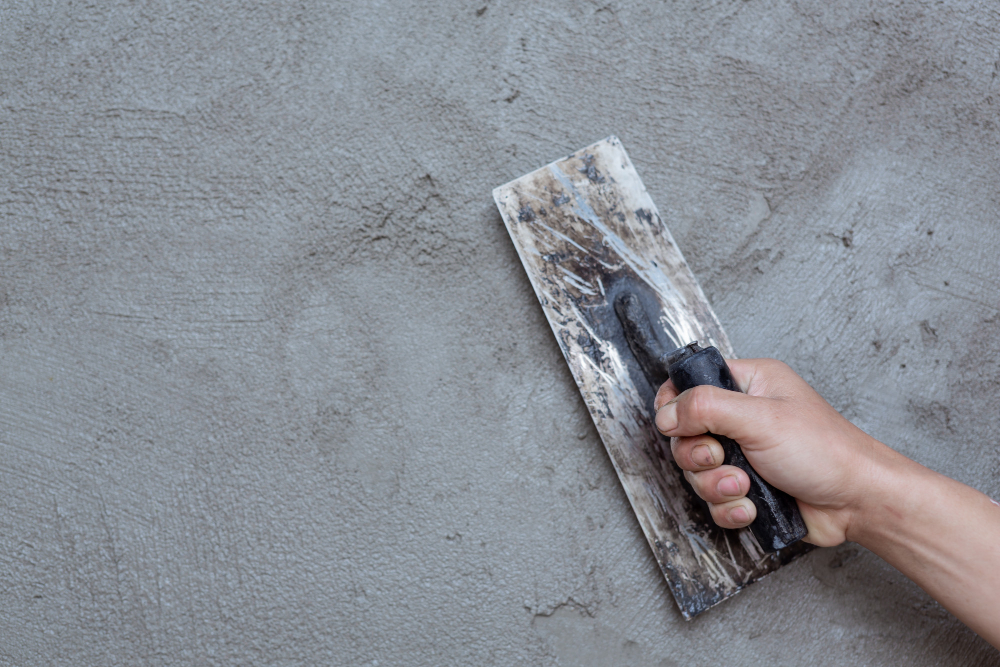
When concrete begins to show signs of widespread popping or scaling, it’s easy to assume the worst—that full replacement is necessary. But in most cases, this isn’t just cost

Concrete might seem tough and dependable on the outside, but what lies beneath the surface can be a different story altogether. If you’re concerned that your concrete may have be

When it comes to maintaining the integrity of concrete in winter, the quality of the original installation is everything. Improperly laid or finished concrete creates a perfect sto

Why Resurfacing is Often Better Than Replacing Scaled Concrete Not all concrete damage is created equal. When winter weather and freeze-thaw cycles expose weaknesses in concrete su