


Why Resurfacing Is the Smart Fix for Widespread Popping or Surface Damage in Concrete
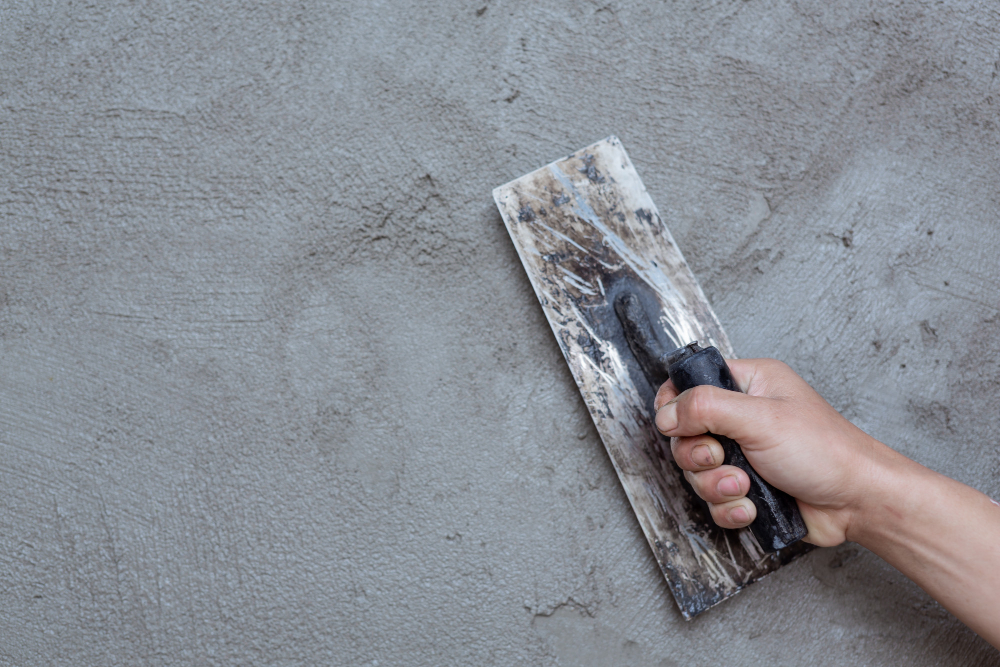
When concrete begins to show signs of widespread popping or scaling, it’s easy to assume the worst—that full replacement is necessary. But in most cases, this isn’t just costly; it’s also unnecessary. Widespread popping, scaling, or surface flaking is a surface-level issue, not a deep structural failure. And that distinction makes all the difference.
Understanding Surface Damage: What Popping and Scaling Actually Mean
Concrete popping occurs when small fragments break away from the surface, often due to trapped moisture, freeze-thaw cycles, or deicer infiltration. Similarly, scaling refers to a more uniform loss of the top surface layer—typically just the outermost quarter inch. Both conditions, while unsightly, do not usually compromise the integrity of the concrete beneath.
In fact, these forms of surface deterioration are most often caused by environmental exposure—not flaws in the core structural mass. The damage is typically isolated to the surface layer, making it a candidate for resurfacing rather than replacement.
Why Resurfacing Is the Recommended Solution
Resurfacing is the process of applying a new layer of specially formulated concrete or polymer-modified overlay over the existing concrete slab. This layer adheres to the old surface, restoring appearance, strength, and durability—without the heavy labor or expense of tearing out and replacing the slab.
This approach is recommended for several key reasons:
- Structural soundness remains intact: If the base concrete is stable and undamaged, there is no need to demolish or rebuild it.
- Cost-effective: Resurfacing is significantly less expensive than full replacement in terms of materials, labor, and time.
- Minimal disruption: There’s no need for jackhammers, trucks hauling away debris, or waiting weeks for new concrete to cure. Most resurfacing projects can be completed in a fraction of the time.
Aesthetic improvement: Resurfacing can eliminate discoloration, cracks, and imperfections while providing a fresh, uniform finish.
When Resurfacing Might Not Be Enough
While resurfacing is highly effective for surface issues, it’s not a universal fix. If your concrete is crumbling, deeply cracked, or the base has shifted due to poor installation or foundational problems, resurfacing won’t solve the root cause. In such cases, full replacement may be necessary—but this is rare for surface-related concerns like popping or scaling alone.
For most property owners dealing with winter weather wear, freeze-thaw cycles, or even minor salt damage, resurfacing is the smarter option.
Long-Term Benefits of Choosing Resurfacing
Not only does resurfacing bring your concrete back to life, but it also extends its lifespan and increases resistance to future wear. Modern resurfacing compounds often include additives that improve freeze-thaw resistance and reduce water permeability. Combined with responsible maintenance—like sealing concrete regularly and avoiding harsh chloride-based ice melts—resurfacing can help concrete surfaces last many more years.
Conclusion:
Resurfacing for Popping and Surface Damage Is a Practical Win
If your concrete driveway, walkway, or patio shows widespread popping or scaling, there’s no need to panic. These are surface issues—annoying, yes, but not catastrophic. Resurfacing is a cleaner, more affordable, and less disruptive way to restore the integrity and appearance of your concrete without touching its foundation. Instead of starting over, you’re giving your surface a fresh start—backed by smart science and smart spending.
Q1: What causes popping and scaling in concrete?
Popping and scaling are typically caused by freeze-thaw cycles, moisture infiltration, or the use of harsh deicing chemicals.
Q2: Can resurfacing fix all concrete damage?
Resurfacing works for surface-level issues. However, if the concrete is deeply cracked or structurally compromised, replacement may be needed.
Q3: How long does resurfaced concrete last?
With proper maintenance, resurfaced concrete can last 10 to 15 years or more.
Q4: Is resurfacing more affordable than replacement?
Yes, resurfacing is generally much less expensive and less labor-intensive than full slab replacement.
Q5: Does resurfacing require the old concrete to be sealed first?
No, but the old surface must be thoroughly cleaned and prepped to ensure proper adhesion.