



It’s a common concern: before applying any ice melt, how can you know if your concrete is strong enough to handle winter weather and deicing products? Unfortunately, the answer i

Concrete is known for its durability—but like everything else, it ages. And with age comes vulnerability. Over time, even the strongest concrete begins to lose its ability to res

Scoring concrete—adding grooves or texture to prevent slipping—is a common safety measure, especially for stairs and walkways. But while this rough surface may enhance grip dur

Over time, all concrete begins to change—and not for the better. Age plays a major role in how well a concrete surface can stand up to winter’s most damaging cycle: freeze-thaw

Concrete endures a lot—especially in regions where winter freeze-thaw cycles are routine. Over time, these conditions can lead to surface issues like pitting, popping, or scaling

When winter hits, homeowners reach for deicers to keep steps, patios, and walkways safe. But what happens when those walkways are made of stone and mortar? A frequent concern is wh

Broom-finished concrete is a popular choice for outdoor surfaces like driveways, walkways, and patios because of its textured, slip-resistant surface. However, that texture raises
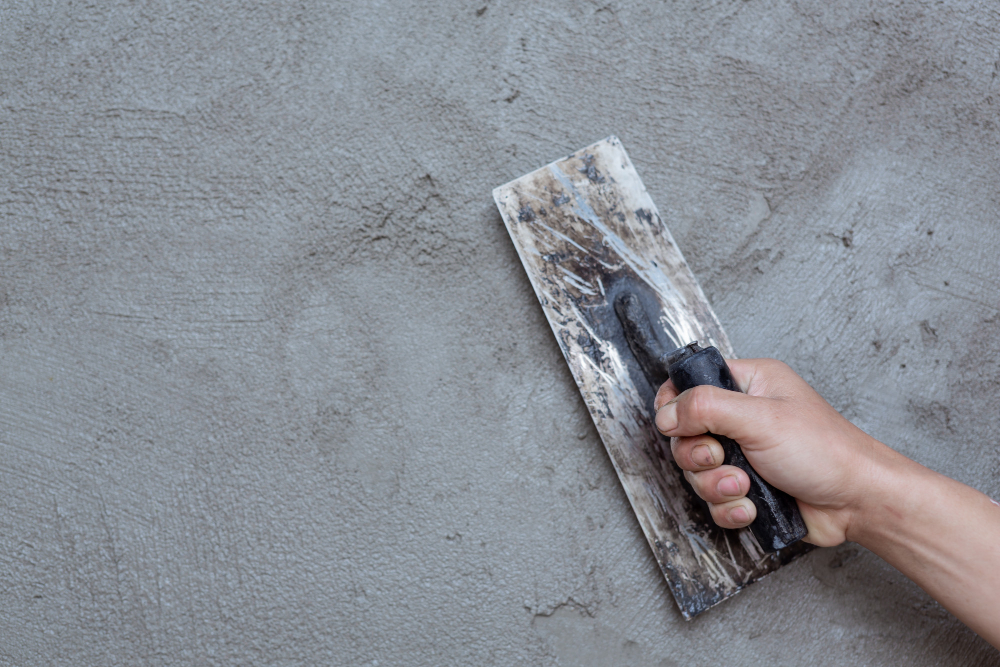
When concrete begins to show signs of widespread popping or scaling, it’s easy to assume the worst—that full replacement is necessary. But in most cases, this isn’t just cost

Concrete might seem tough and dependable on the outside, but what lies beneath the surface can be a different story altogether. If you’re concerned that your concrete may have be

If you’ve noticed small craters, chips, or broken areas on the surface of your driveway, walkway, or patio, you might be dealing with concrete pops. These seemingly minor blemis