


What Are Concrete Pops and What Causes Them?
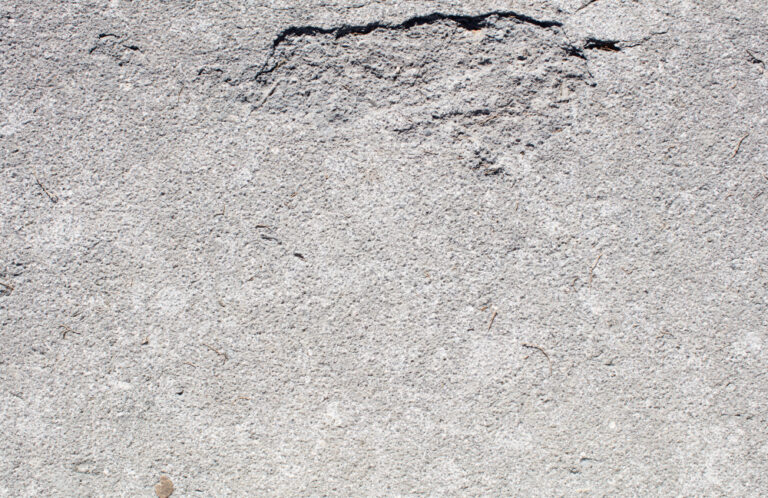
If you’ve noticed small craters, chips, or broken areas on the surface of your driveway, walkway, or patio, you might be dealing with concrete pops. These seemingly minor blemishes are more than cosmetic—they’re early warning signs of deeper surface vulnerability.
Concrete pops, pitting, and scaling are often discussed together because they stem from similar surface failure mechanisms, though they differ slightly in appearance and progression.
Understanding the “Pop”
A concrete pop, also referred to as a ping or small blowout, occurs when a small area of the surface breaks away, leaving behind a crater-like hole. These pops can vary in size but are often shallow and circular, resembling a pockmark.
The cause of a pop is almost always related to internal pressure, most commonly from moisture infiltration and freeze-thaw cycles. Here’s how it works:
- Water enters small pores or crevices in the concrete.
- When temperatures drop, that water freezes and expands.
- This expansion pushes against the hardened surface.
- Eventually, the surface fails, creating a small pop or pit.
Concrete pops can also be triggered when air pockets or aggregate particles near the surface expand differently than the surrounding material during temperature changes.
How Pops Compare to Pitting and Scaling
While concrete pops are localized and often look like small craters, pitting refers to a widespread cluster of small, shallow holes. It’s usually caused by chemical erosion, such as deicers or environmental pollutants breaking down the surface over time.
Scaling, on the other hand, is more extensive. It’s defined by large, flaking patches where the top layer of concrete peels or shears off, exposing the layer beneath. Scaling occurs due to repeated freeze-thaw damage, especially on unsealed or poorly finished concrete.
In short:
- Popping = isolated failure point
- Pitting = dispersed surface erosion
- Scaling = large-scale top layer flaking
All three are related and often appear together during or after a harsh winter.
What Triggers These Surface Failures?
Several environmental and material-related factors can contribute to pops, pits, and scaling:
- Freeze-thaw cycles: The leading cause of surface damage.
- Use of chloride-based deicers: These pull moisture into concrete and can chemically destabilize it.
- Lack of air entrainment: Concrete without air pockets has no room for expanding water.
- Unsealed or worn concrete: Water penetration increases dramatically without a protective barrier.
- Improper curing or finishing: Weakens the surface and makes it more prone to damage.
Can Concrete Pops Be Repaired?
Yes. Small pops and pits can be filled using patching compounds or resurfacing products. However, if scaling is present, or if the surface damage is extensive, a full resurfacing may be needed to restore both function and appearance.
Preventing pops starts with good concrete practices and continues with regular maintenance, including sealing and using non-corrosive ice melts during winter.
Conclusion
Concrete pops, pitting, and scaling may seem like minor surface flaws, but they signal real stress in your concrete caused by environmental exposure and material limitations. These surface issues are all connected and often indicate a need for better moisture management, sealing, and winter treatment practices.
Recognizing the difference between these types of damage—and understanding what causes them—can help you maintain your concrete more effectively and prevent larger failures in the future. Take these surface blemishes seriously; they’re your concrete’s way of asking for help.
Q1: What is a concrete pop?
A concrete pop is a small, localized surface break—usually circular—caused by internal pressure from freeze-thaw cycles or material inconsistencies.
Q2: How are pops different from pitting or scaling?
Pitting is dispersed surface erosion with many small holes, while scaling is the widespread flaking of the top layer. Pops are more isolated and crater-like.
Q3: Can I repair pops on my concrete?
Yes. Minor pops can be patched using resurfacing or repair compounds. Extensive damage may require a full resurfacing treatment.
Q4: What causes pops in concrete?
The most common causes are freeze-thaw cycles, water infiltration, lack of sealing, and improper curing or finishing during installation.
Q5: How can I prevent popping and surface damage?
Seal your concrete regularly, avoid harsh chemical deicers, use safe winter products, and ensure proper installation practices were followed.