



When it comes to winter protection, homeowners who regularly seal their concrete surfaces are often the most proactive. But a common question remains—if you diligently apply a se

When winter deicing is followed by concrete damage, the immediate instinct may be to fear the worst—especially if you see chipping, flaking, or pitted surfaces. However, not all

When it comes to ice melt, one size doesn’t fit all. While Safe Paw is the trusted name for homes and light use, Safe Thaw was engineered for a completely different battlefieldâ€

Not all concrete is created equal—especially when it comes to how it reacts to deicers. One of the most common comparisons involves broom-finished concrete versus smooth or seale

When winter hits, one often overlooked area of the home is the pool deck. While most swimming pools are closed for the season, the surrounding surfaces—especially concrete, paint

When it comes to preserving natural stone surfaces like bluestone, winter maintenance becomes a delicate balance. You want to keep paths and patios free from ice, but you also want

If you’ve noticed small craters, chips, or broken areas on the surface of your driveway, walkway, or patio, you might be dealing with concrete pops. These seemingly minor blemis
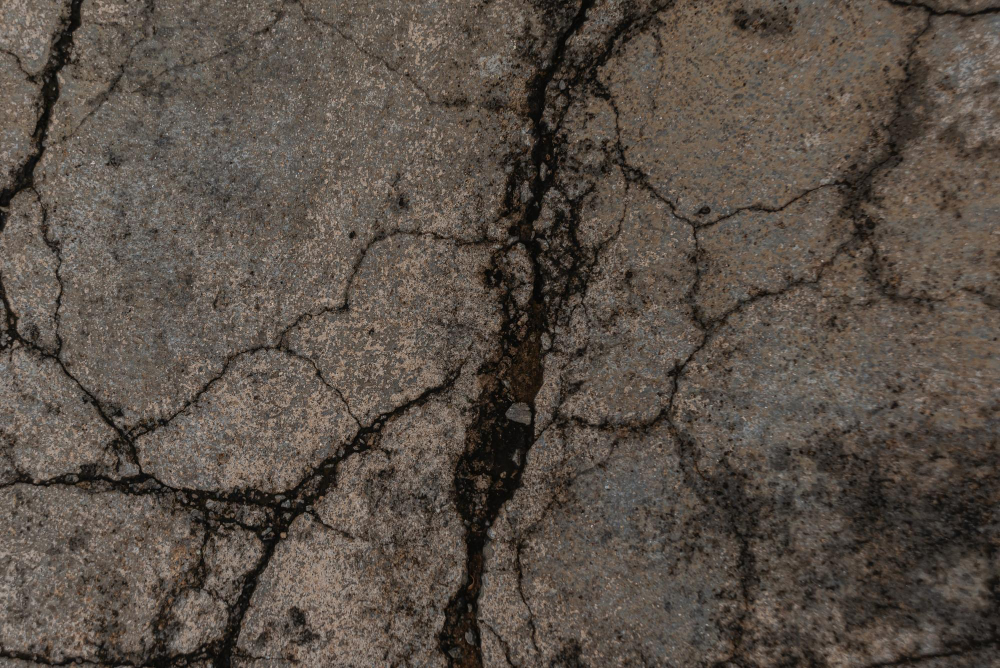
Precast concrete is popular for steps, walls, walkways, and other installations due to its durability and ease of manufacturing. But when winter arrives, homeowners and property ma

When concrete shows signs of surface damage—like pitting, popping, or scaling—it’s easy to panic and assume a complete replacement is needed. But in many cases, especially wh
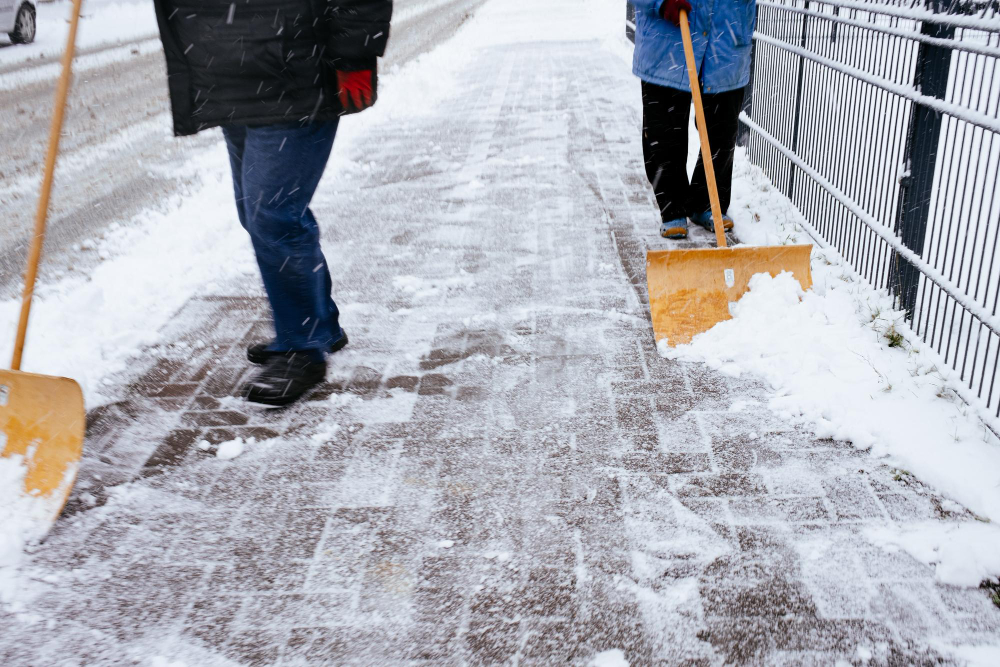
When winter weather arrives, many homeowners wonder if using ice melt—even pet-safe varieties—can still harm their concrete surfaces, even after they’ve been sealed. It’s