



Concrete is known for its durability—but like everything else, it ages. And with age comes vulnerability. Over time, even the strongest concrete begins to lose its ability to res

When winter deicing is followed by concrete damage, the immediate instinct may be to fear the worst—especially if you see chipping, flaking, or pitted surfaces. However, not all
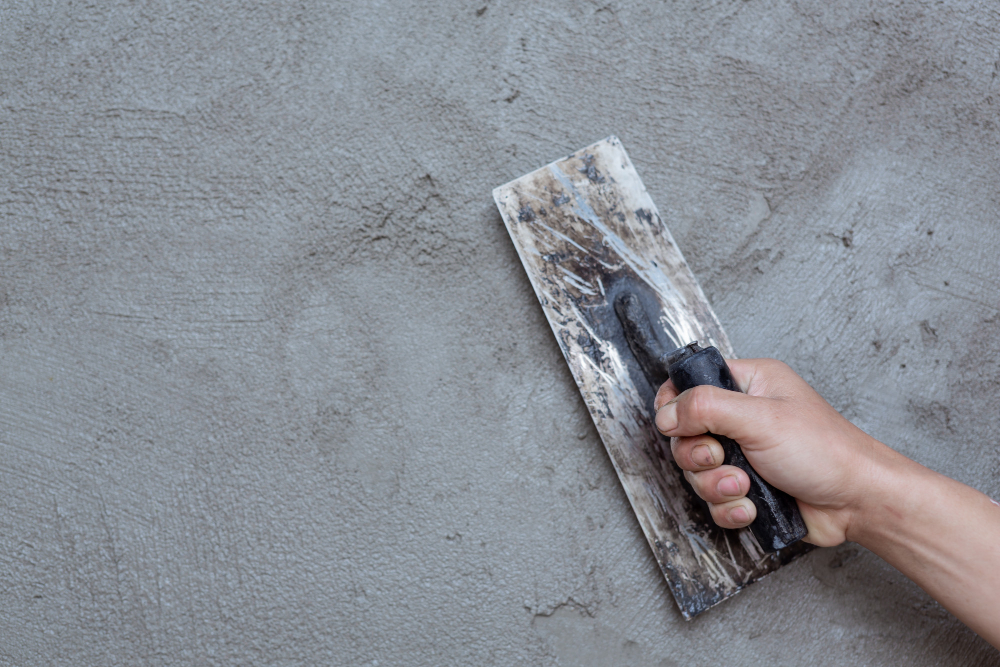
When concrete begins to show signs of widespread popping or scaling, it’s easy to assume the worst—that full replacement is necessary. But in most cases, this isn’t just cost

Why Resurfacing is Often Better Than Replacing Scaled Concrete Not all concrete damage is created equal. When winter weather and freeze-thaw cycles expose weaknesses in concrete su
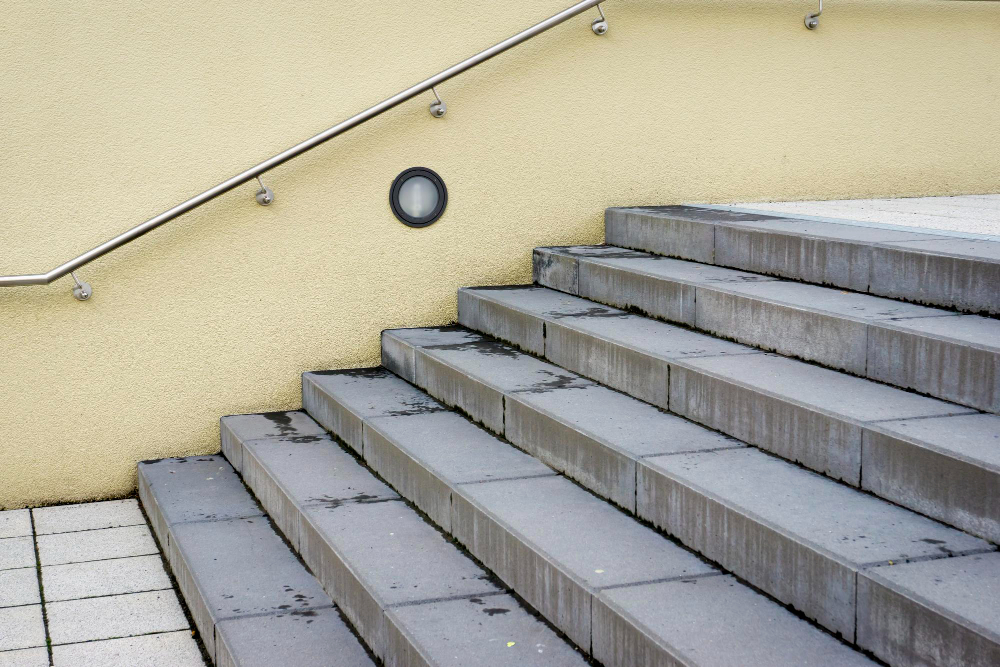
When you look at a concrete staircase, especially one exposed to outdoor conditions, you might assume it’s built to last forever. But even the toughest materials have limits. For

When concrete shows signs of surface damage—like pitting, popping, or scaling—it’s easy to panic and assume a complete replacement is needed. But in many cases, especially wh
The Importance of Testing Ice Melt Products on Concrete Surfaces Even when using products like Safe Paw and Safe Thaw, which are designed to be safe for concrete, it’s advisable

When your concrete begins to show signs of popping, scaling, or surface-level deterioration, it’s easy to panic and assume total replacement is your only option. But here’s the