



Not all concrete is created equal—especially when it comes to how it reacts to deicers. One of the most common comparisons involves broom-finished concrete versus smooth or seale

When winter hits, one often overlooked area of the home is the pool deck. While most swimming pools are closed for the season, the surrounding surfaces—especially concrete, paint

When it comes to preserving natural stone surfaces like bluestone, winter maintenance becomes a delicate balance. You want to keep paths and patios free from ice, but you also want
Calcium Magnesium Acetate (CMA) is often promoted as a safer alternative in the ice melt world. Known for being biodegradable, less corrosive, and less damaging to plants and surfa

Walk down the ice melt aisle during winter and you’ll see countless products claiming to be “safer” for pets and surfaces. Often, these products still contain calcium chlorid
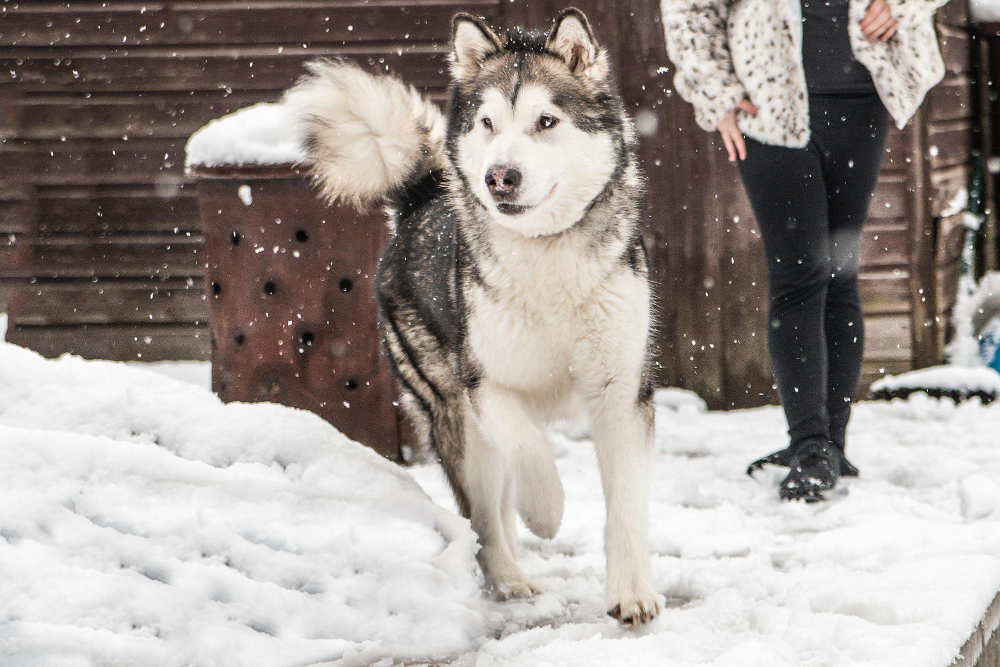
During the winter months, pet owners turn to ice melts that claim to be “pet friendly,” believing this label ensures safety for their dogs and cats. But here’s the hard truth
The Importance of Testing Ice Melt Products on Concrete Surfaces Even when using products like Safe Paw and Safe Thaw, which are designed to be safe for concrete, it’s advisable
When winter weather arrives, many homeowners wonder if using ice melt—even pet-safe varieties—can still harm their concrete surfaces, even after they’ve been sealed. It’s
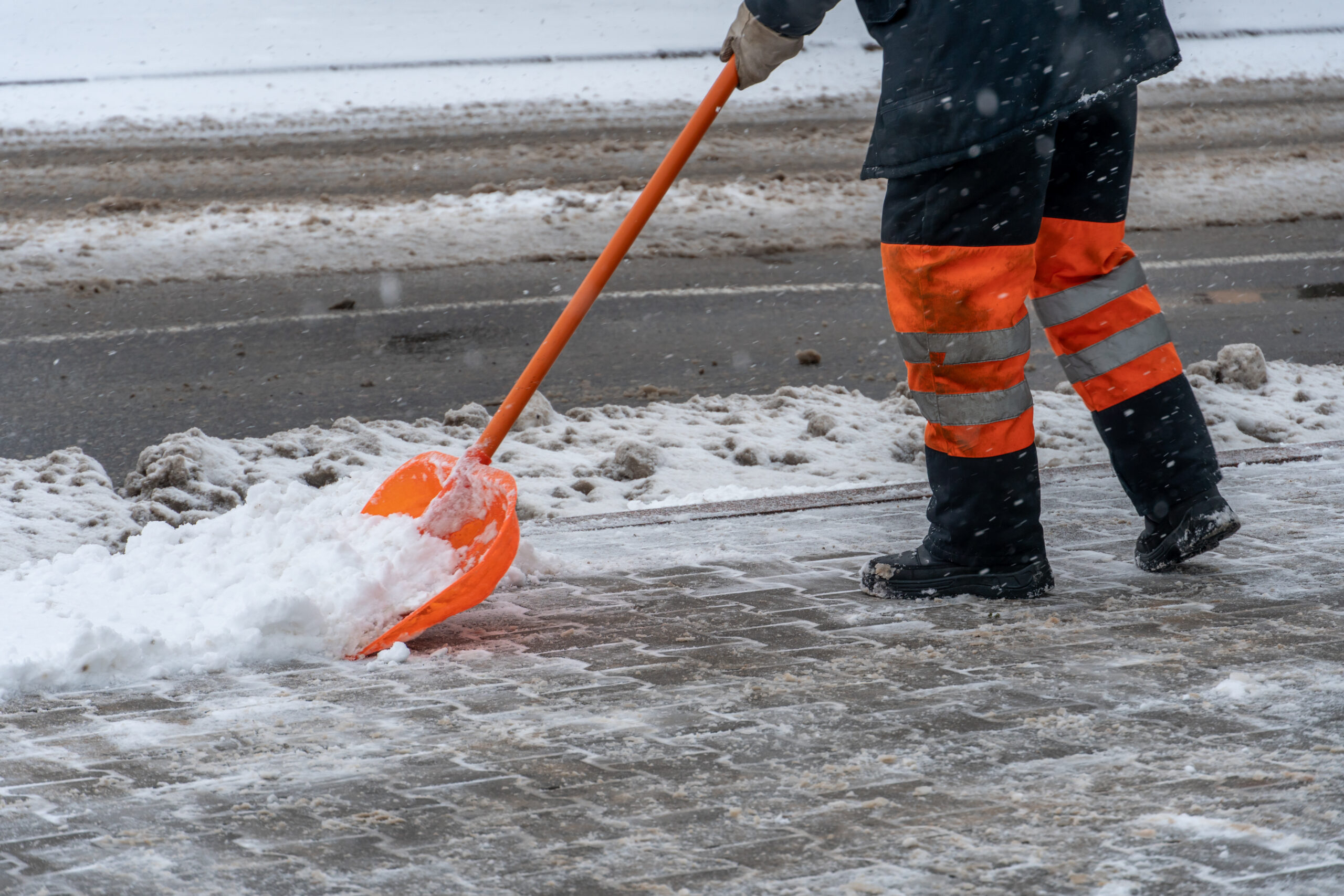
Why Safe Paw and Safe Thaw Do Not Stain Where Do Orange Stains Come From? How to Remove Orange Stains from Concrete Conclusion: Trust What’s Safe for Surfaces—and Pets
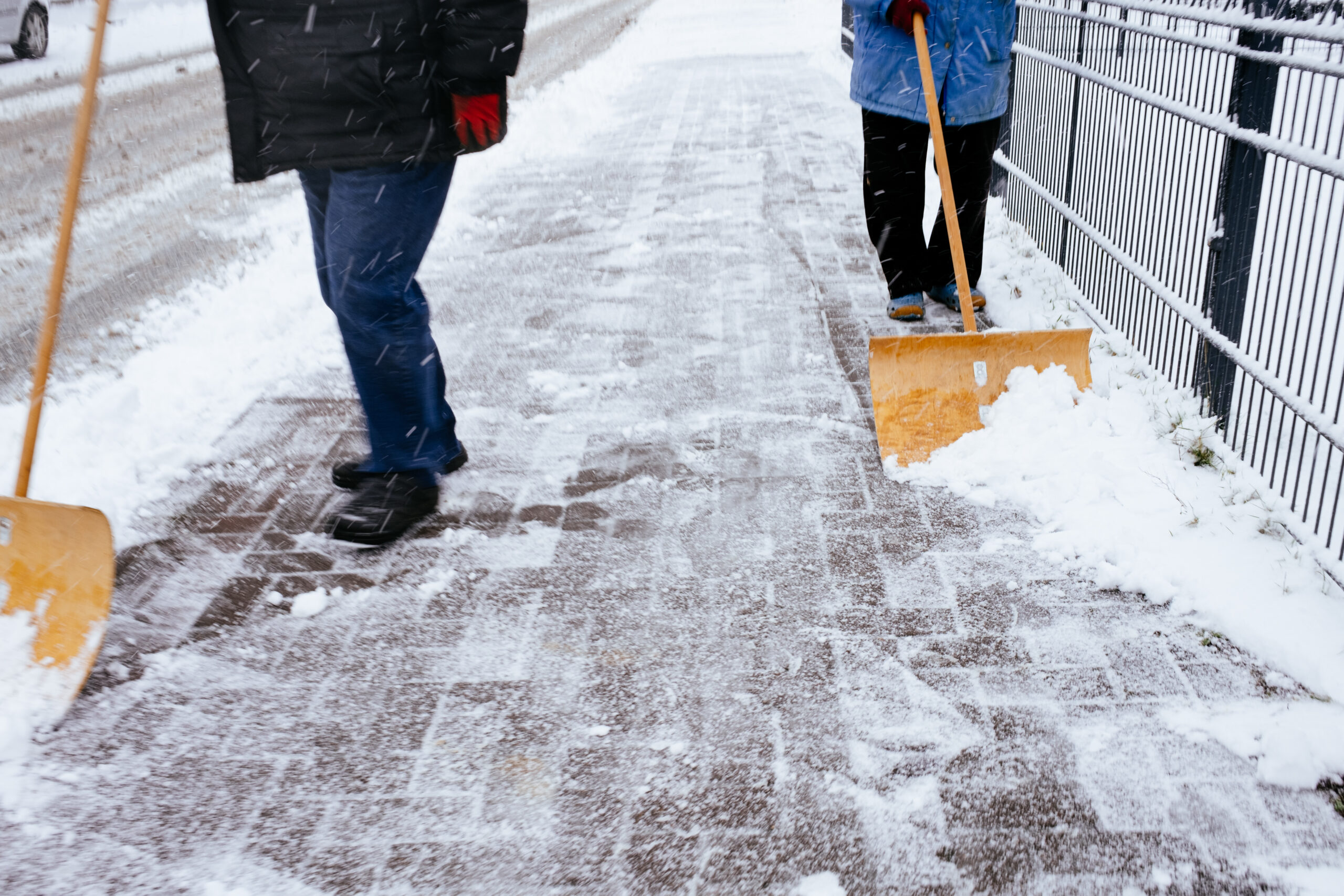
Why Might Residue Appear? Is the Residue Harmful? How to Remove It Preventing Residue in the Future Conclusion: A Safe Product with a Simple Solution