



When concrete starts showing signs of wear—such as scaling, pitting, or surface flaking—it’s natural to look for something to blame. Often, ice melters are the first suspect.

When it comes to maintaining the integrity of concrete in winter, the quality of the original installation is everything. Improperly laid or finished concrete creates a perfect sto
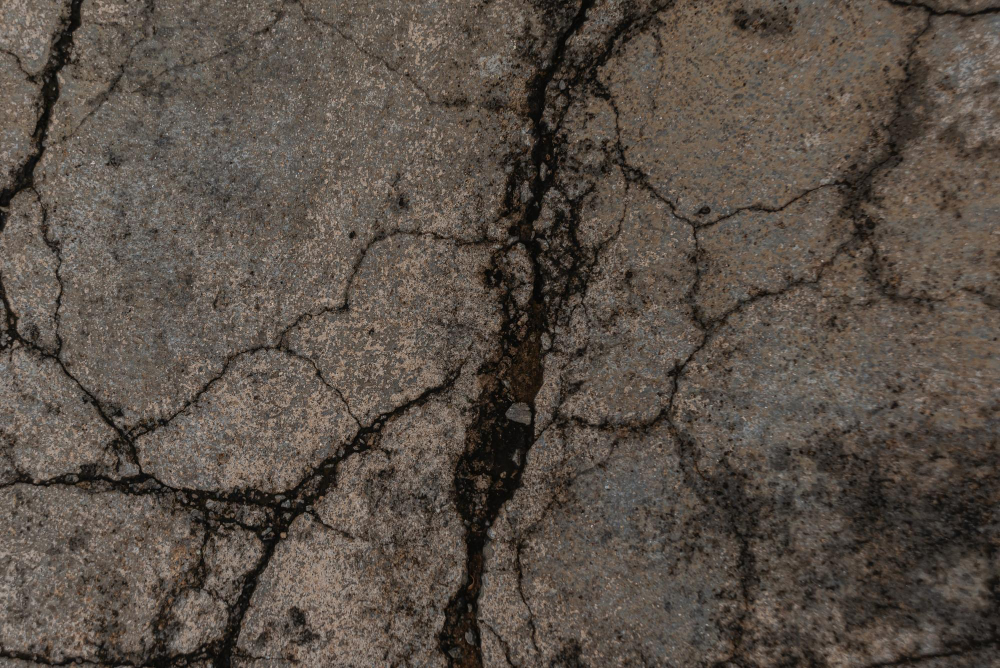
Precast concrete is popular for steps, walls, walkways, and other installations due to its durability and ease of manufacturing. But when winter arrives, homeowners and property ma
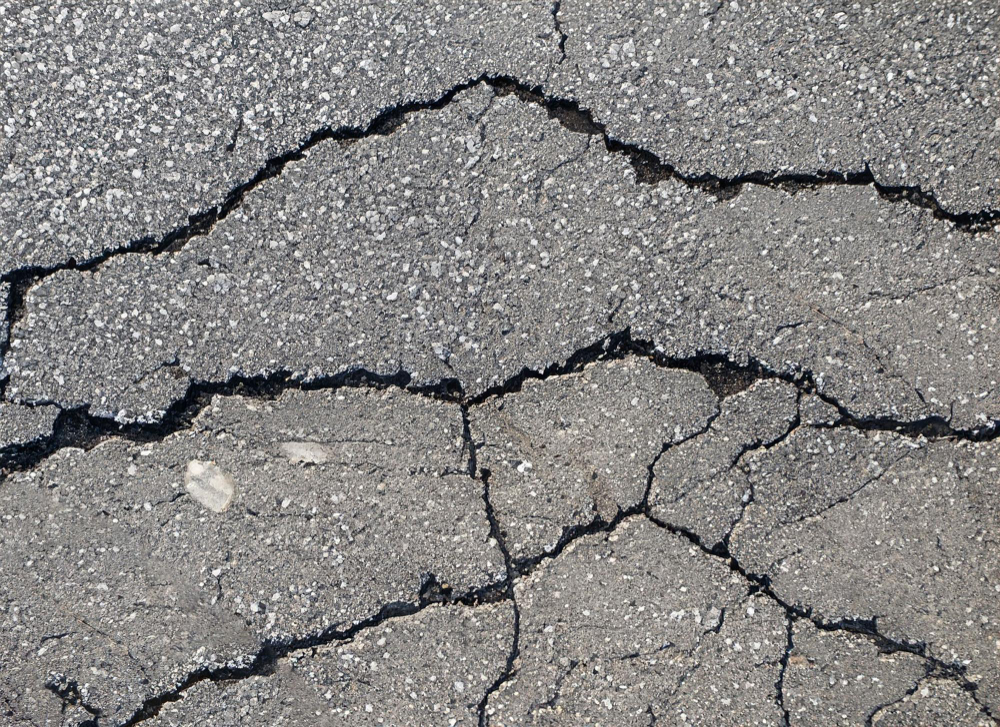
Scoring or texturing concrete steps is often recommended to reduce the risk of slipping, especially in icy or wet conditions. It’s a practical safety measure, but it raises an im

When concrete shows signs of surface damage—like pitting, popping, or scaling—it’s easy to panic and assume a complete replacement is needed. But in many cases, especially wh
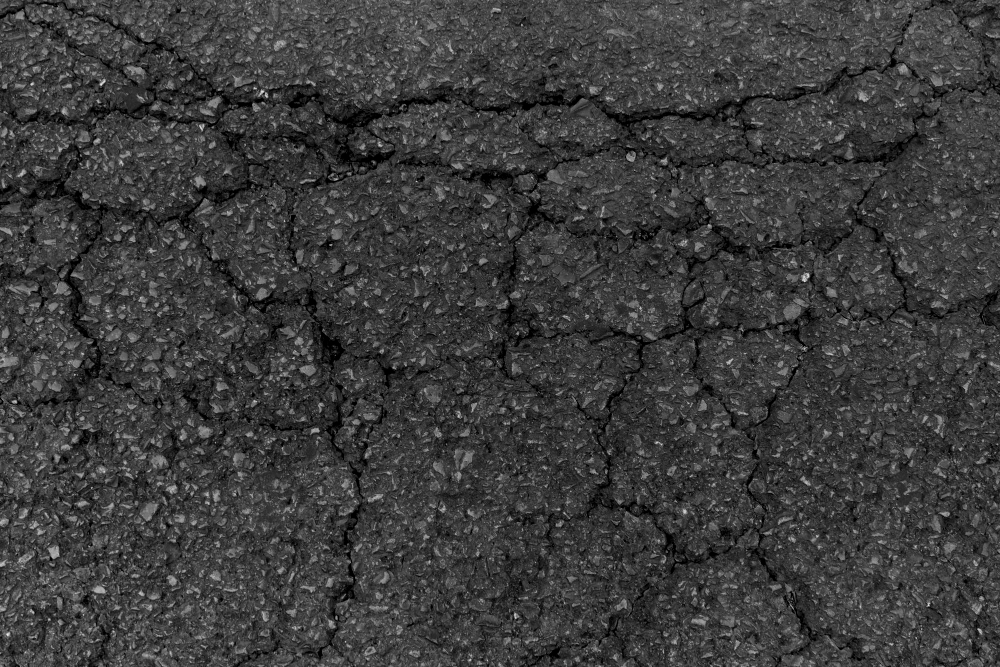
When concrete damage appears after winter, it’s natural to search for the cause. And if a contractor claims the concrete was well maintained, it might seem like the ice melt prod
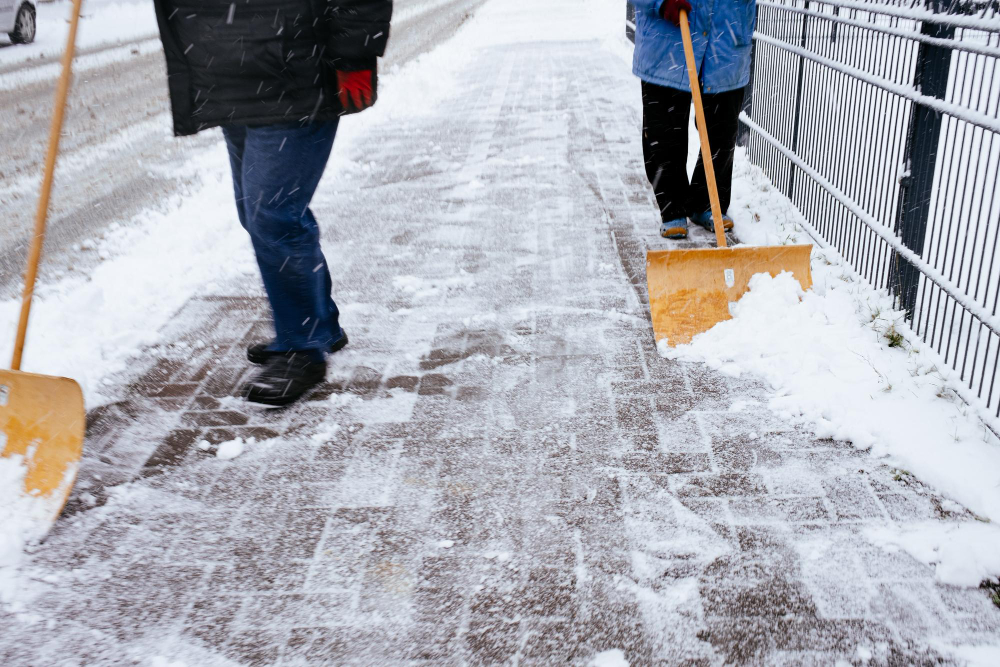
When winter weather arrives, many homeowners wonder if using ice melt—even pet-safe varieties—can still harm their concrete surfaces, even after they’ve been sealed. It’s