



When concrete starts showing signs of wear—such as scaling, pitting, or surface flaking—it’s natural to look for something to blame. Often, ice melters are the first suspect.

Why Resurfacing is Often Better Than Replacing Scaled Concrete Not all concrete damage is created equal. When winter weather and freeze-thaw cycles expose weaknesses in concrete su
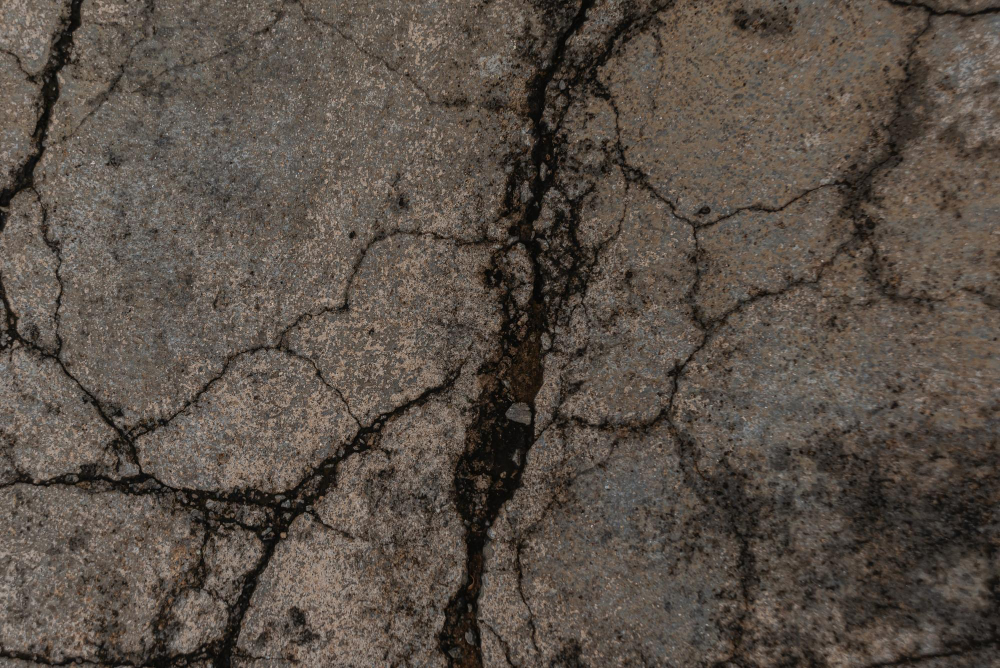
Precast concrete is popular for steps, walls, walkways, and other installations due to its durability and ease of manufacturing. But when winter arrives, homeowners and property ma
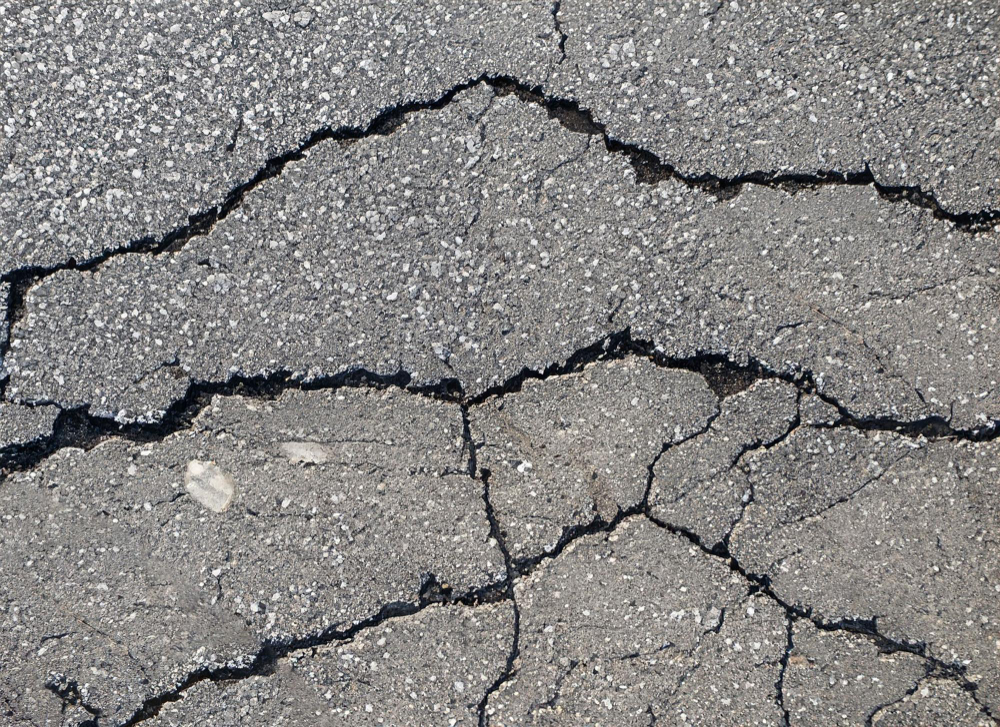
Scoring or texturing concrete steps is often recommended to reduce the risk of slipping, especially in icy or wet conditions. It’s a practical safety measure, but it raises an im
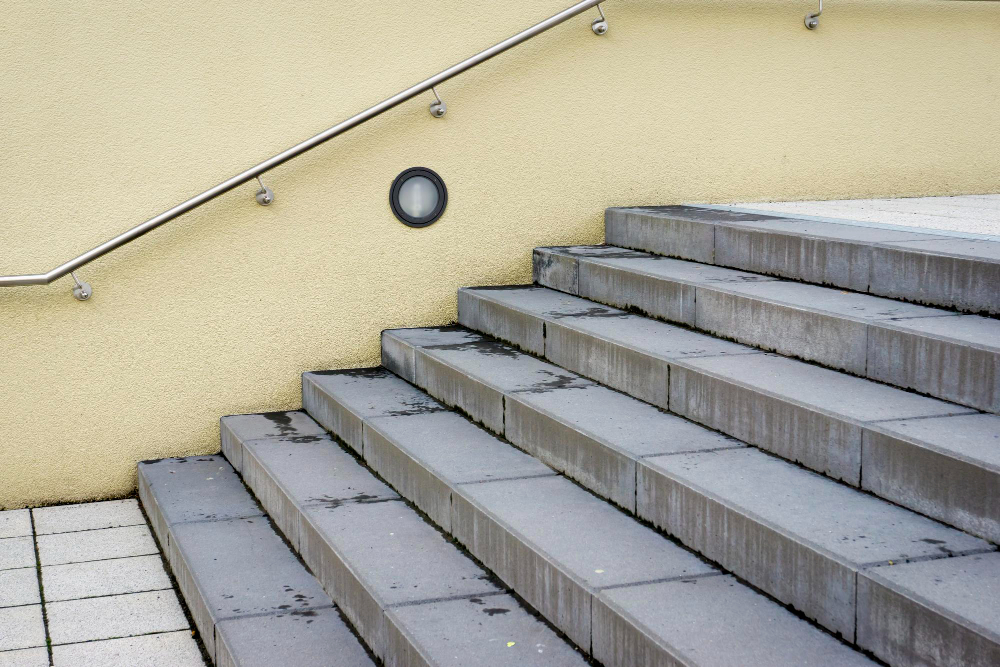
When you look at a concrete staircase, especially one exposed to outdoor conditions, you might assume it’s built to last forever. But even the toughest materials have limits. For

When concrete shows signs of surface damage—like pitting, popping, or scaling—it’s easy to panic and assume a complete replacement is needed. But in many cases, especially wh
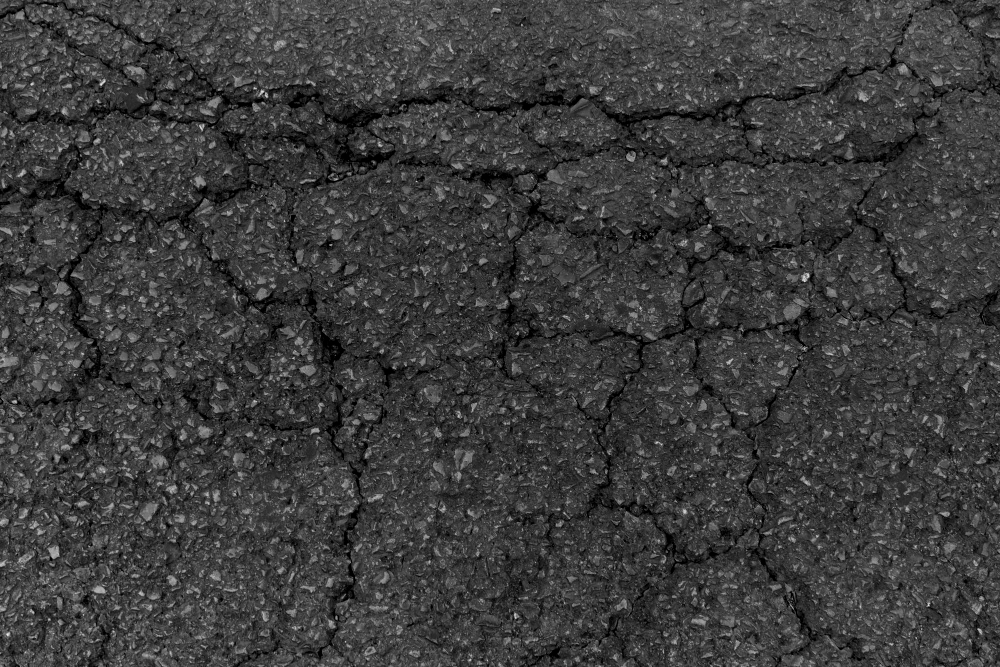
When concrete damage appears after winter, it’s natural to search for the cause. And if a contractor claims the concrete was well maintained, it might seem like the ice melt prod
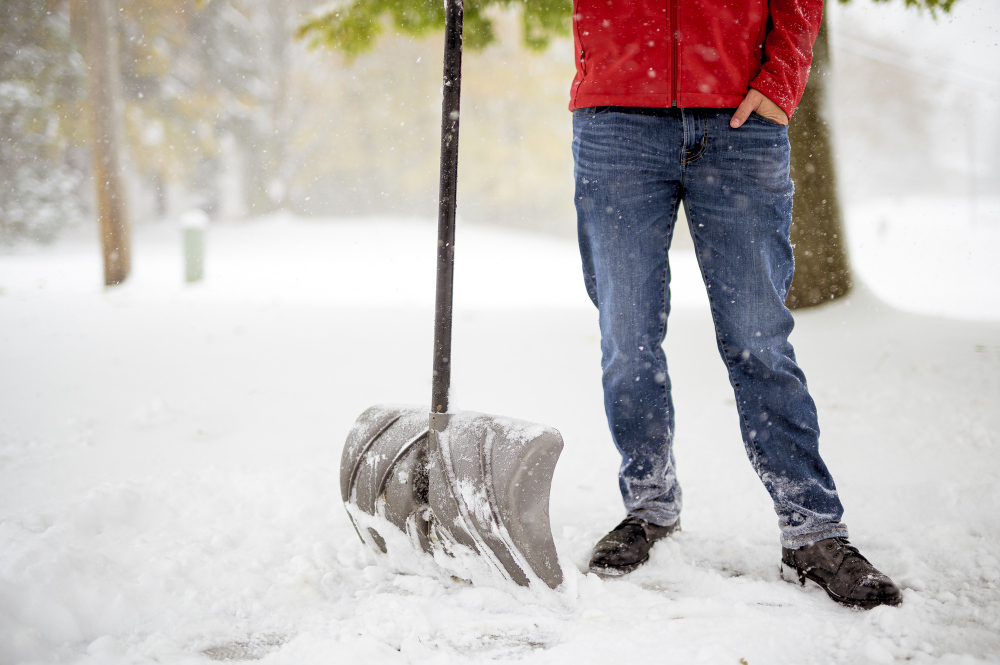
The Importance of Testing Ice Melt Products on Concrete Surfaces Even when using products like Safe Paw and Safe Thaw, which are designed to be safe for concrete, it’s advisable
As winter sets in, homeowners often look for reliable and safe ice melt products to protect walkways, patios, and decks from becoming slippery hazards. One common concern is whethe
In winter, the search for a safe, effective, and non-toxic ice melt often leads responsible homeowners to Safe Paw. Marketed as pet-safe, child-safe, and surface-safe, it’s a sta