


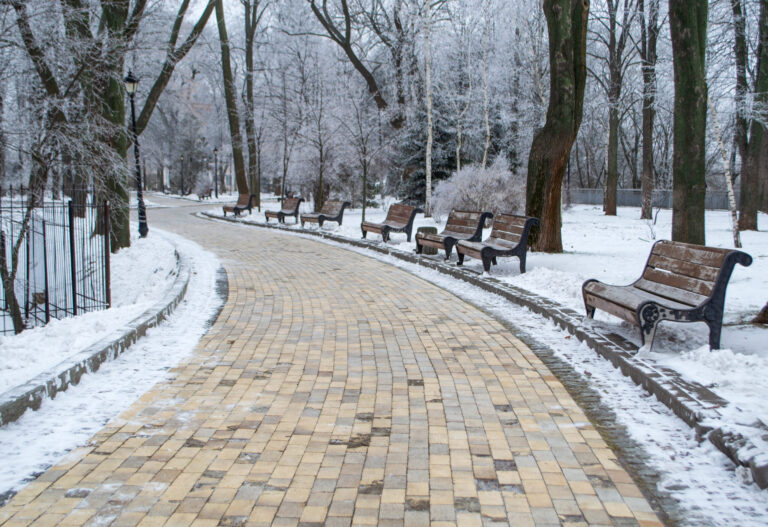
When winter hits, homeowners reach for deicers to keep steps, patios, and walkways safe. But what happens when those walkways are made of stone and mortar? A frequent concern is wh

Broom-finished concrete is a popular choice for outdoor surfaces like driveways, walkways, and patios because of its textured, slip-resistant surface. However, that texture raises
Calcium Magnesium Acetate (CMA) is often promoted as a safer alternative in the ice melt world. Known for being biodegradable, less corrosive, and less damaging to plants and surfa

Walk down the ice melt aisle during winter and you’ll see countless products claiming to be “safer” for pets and surfaces. Often, these products still contain calcium chlorid
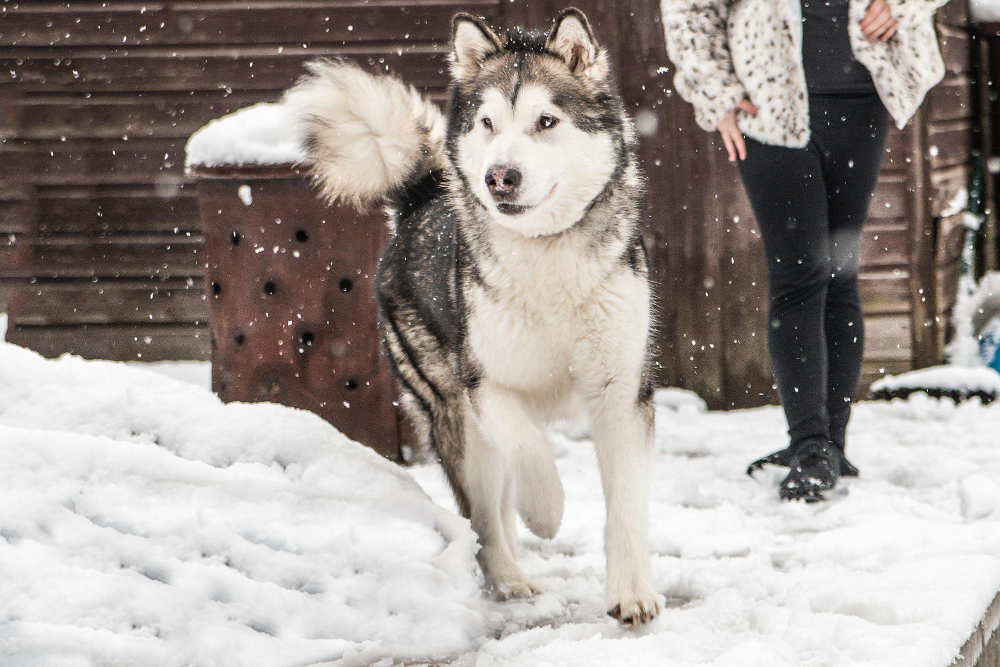
During the winter months, pet owners turn to ice melts that claim to be “pet friendly,” believing this label ensures safety for their dogs and cats. But here’s the hard truth
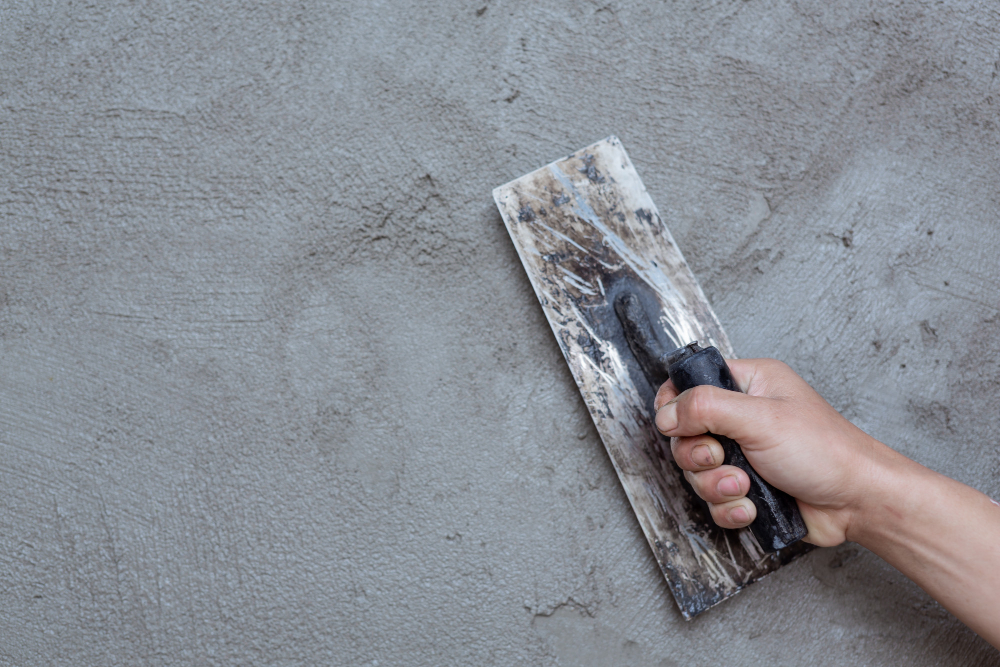
When concrete begins to show signs of widespread popping or scaling, it’s easy to assume the worst—that full replacement is necessary. But in most cases, this isn’t just cost

Concrete might seem tough and dependable on the outside, but what lies beneath the surface can be a different story altogether. If you’re concerned that your concrete may have be
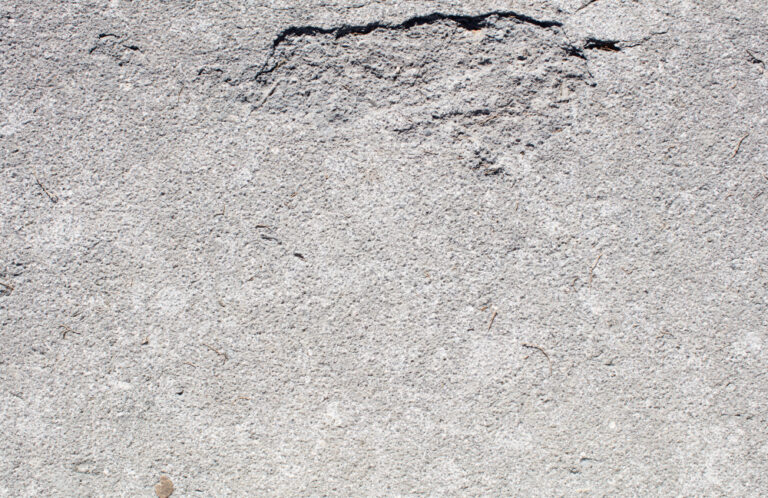
If you’ve noticed small craters, chips, or broken areas on the surface of your driveway, walkway, or patio, you might be dealing with concrete pops. These seemingly minor blemis

When concrete starts showing signs of wear—such as scaling, pitting, or surface flaking—it’s natural to look for something to blame. Often, ice melters are the first suspect.

When it comes to maintaining the integrity of concrete in winter, the quality of the original installation is everything. Improperly laid or finished concrete creates a perfect sto