


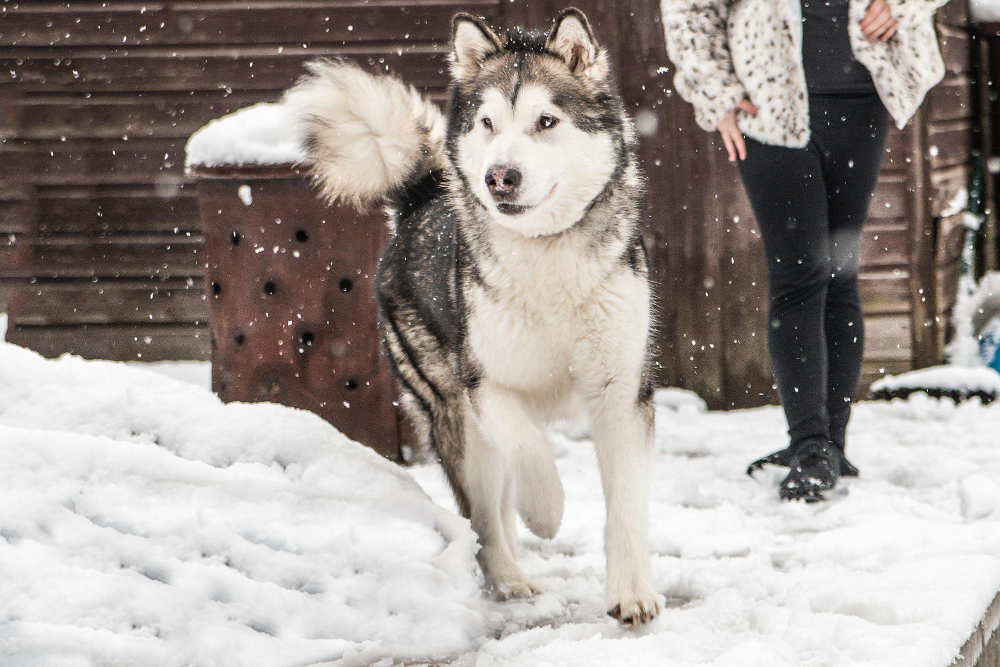
During the winter months, pet owners turn to ice melts that claim to be “pet friendly,” believing this label ensures safety for their dogs and cats. But here’s the hard truth
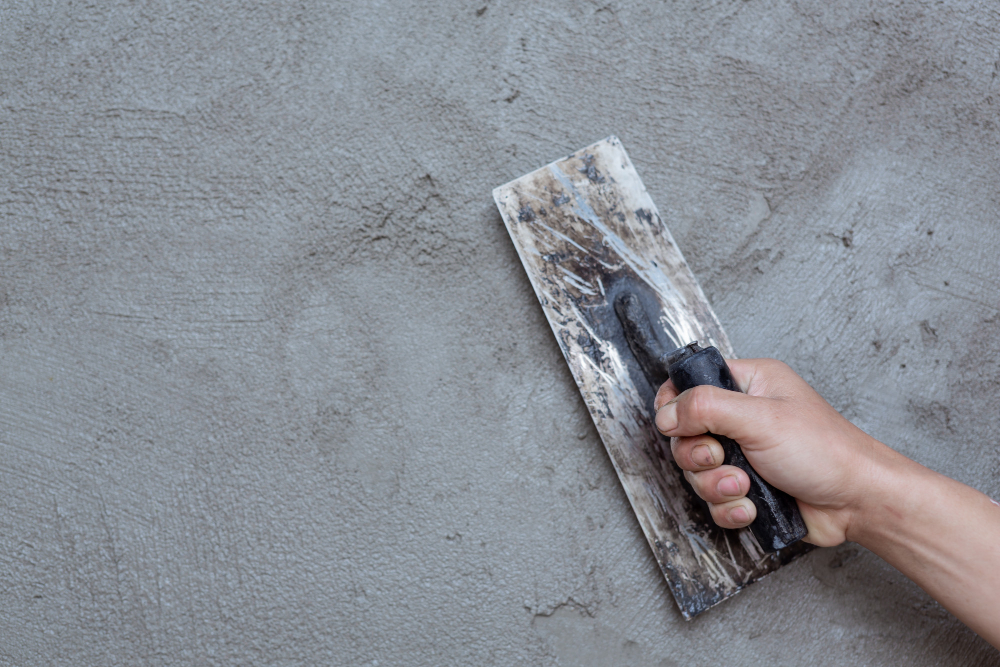
When concrete begins to show signs of widespread popping or scaling, it’s easy to assume the worst—that full replacement is necessary. But in most cases, this isn’t just cost

Concrete might seem tough and dependable on the outside, but what lies beneath the surface can be a different story altogether. If you’re concerned that your concrete may have be
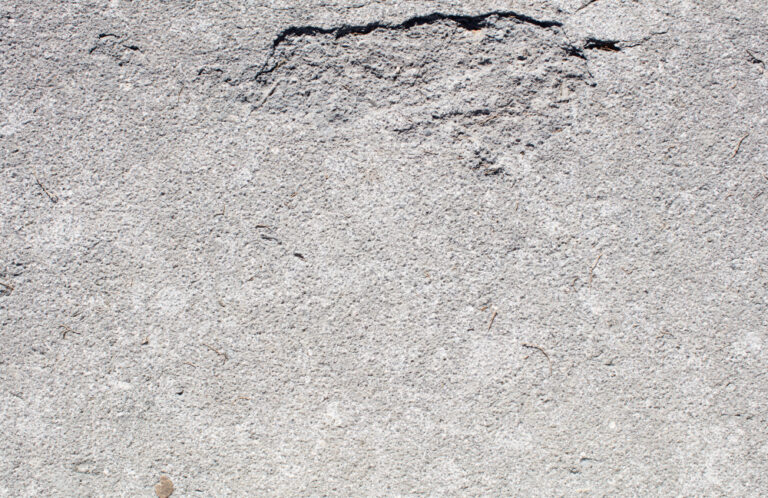
If you’ve noticed small craters, chips, or broken areas on the surface of your driveway, walkway, or patio, you might be dealing with concrete pops. These seemingly minor blemis

When concrete starts showing signs of wear—such as scaling, pitting, or surface flaking—it’s natural to look for something to blame. Often, ice melters are the first suspect.

When it comes to maintaining the integrity of concrete in winter, the quality of the original installation is everything. Improperly laid or finished concrete creates a perfect sto

Why Resurfacing is Often Better Than Replacing Scaled Concrete Not all concrete damage is created equal. When winter weather and freeze-thaw cycles expose weaknesses in concrete su
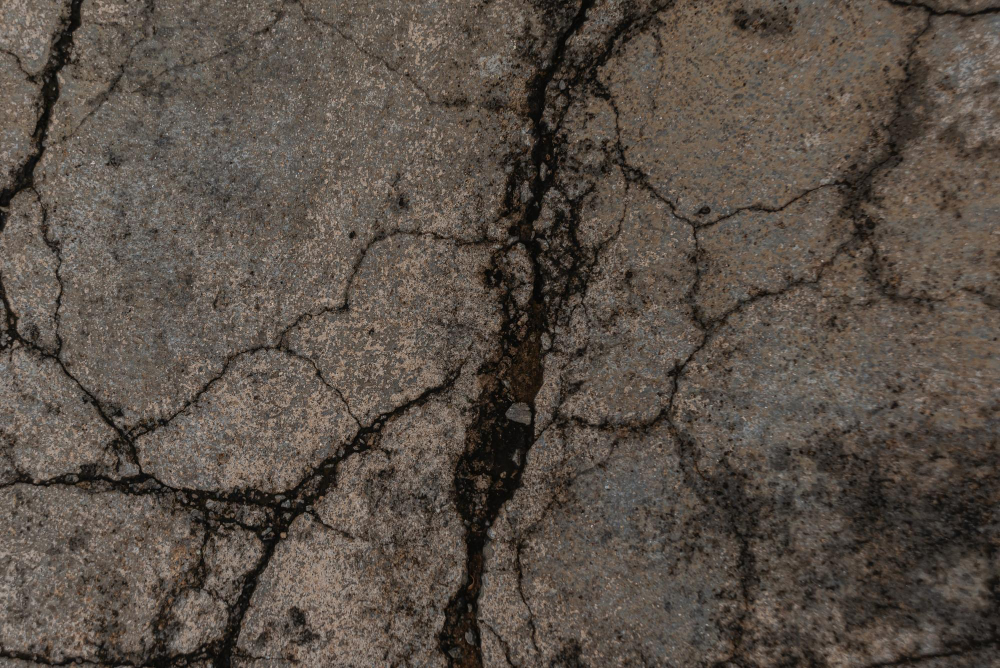
Precast concrete is popular for steps, walls, walkways, and other installations due to its durability and ease of manufacturing. But when winter arrives, homeowners and property ma
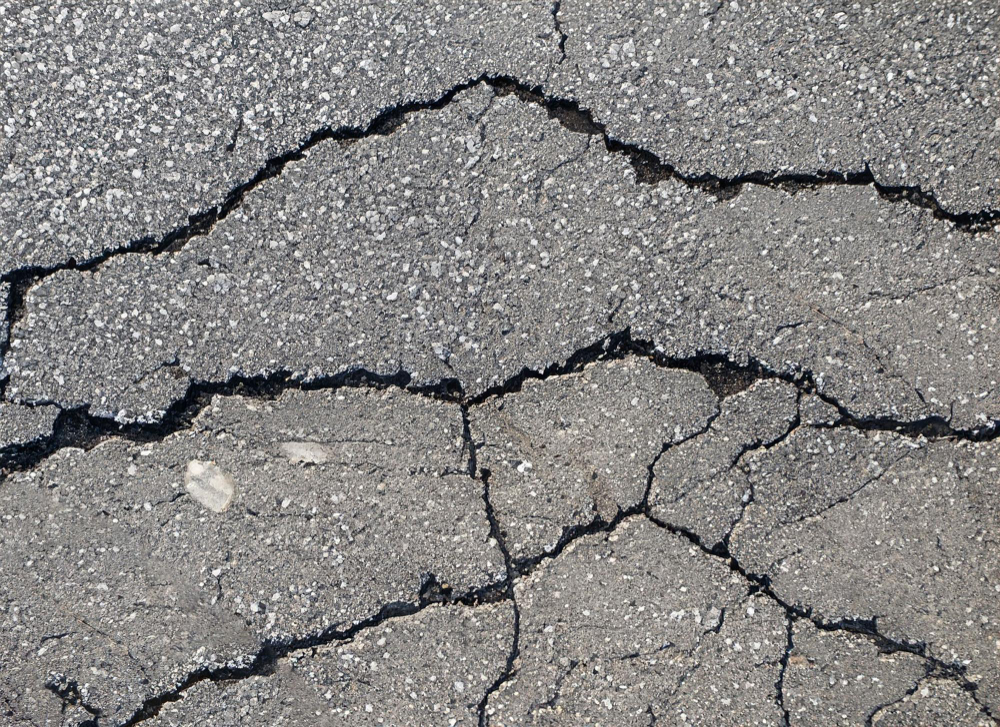
Scoring or texturing concrete steps is often recommended to reduce the risk of slipping, especially in icy or wet conditions. It’s a practical safety measure, but it raises an im
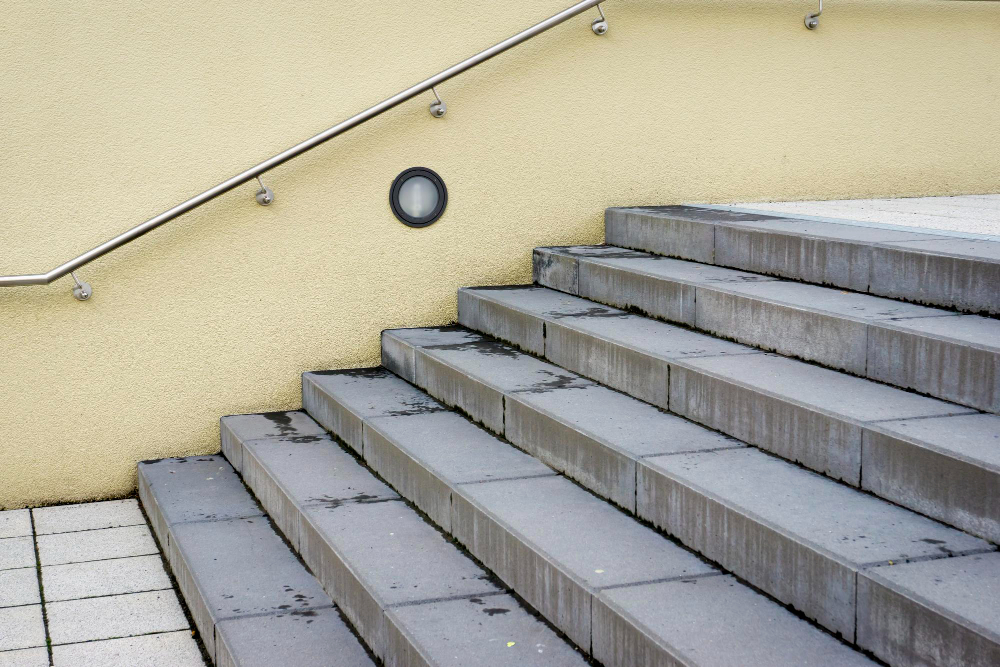
When you look at a concrete staircase, especially one exposed to outdoor conditions, you might assume it’s built to last forever. But even the toughest materials have limits. For